
 Mark Luigi Dacumos
Understanding the Impact: The Aftermath of Natural Disasters
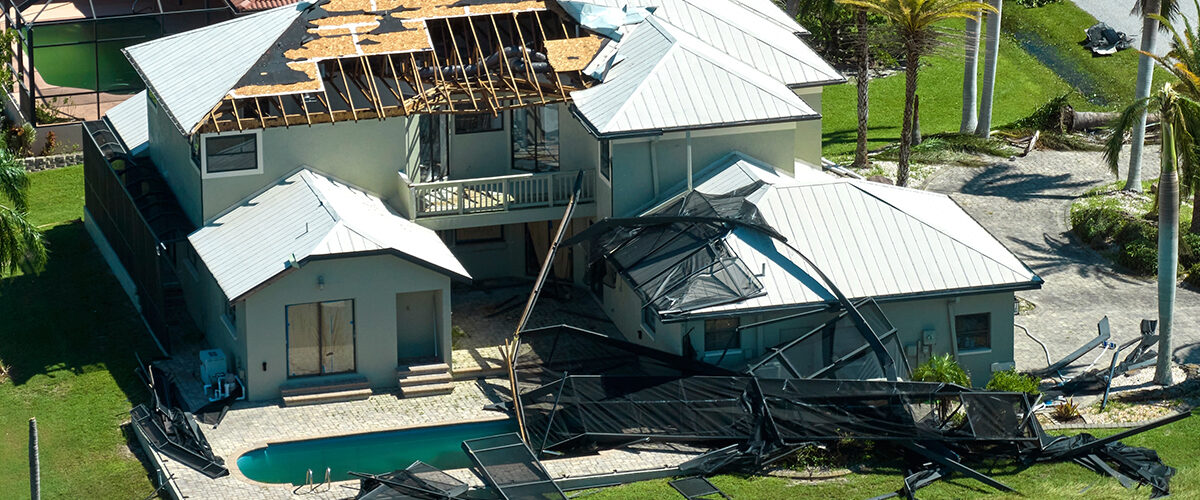
Natural disasters strike with little warning, leaving behind a trail of destruction that can upend lives in an instant. From hurricanes and wildfires to floods and tornadoes, these events can cause devastating damage to homes, businesses, and entire communities. The immediate aftermath is often chaotic, with families displaced, properties destroyed, and essential services disrupted. The emotional toll can be overwhelming, with people grappling with the loss of their homes and personal belongings. In these trying times, the need for financial assistance becomes critical as victims strive to rebuild their lives and regain a sense of normalcy. Understanding the available resources can make a significant difference in navigating the recovery process and finding a path forward.
Federal Assistance: A Lifeline for Disaster Victims
In the wake of a natural disaster, federal assistance programs play a pivotal role in providing immediate relief and long-term support. The Federal Emergency Management Agency (FEMA) is often the first responder, offering grants for temporary housing, home repairs, and other essential needs. The Individuals and Households Program (IHP) provides financial help to cover medical expenses, childcare, and transportation costs. Additionally, the Small Business Administration (SBA) offers low-interest disaster loans to homeowners, renters, and businesses to repair or replace damaged property. These federal programs are designed to provide a safety net, helping victims stabilize their lives and begin the recovery process. By accessing these resources, disaster victims can receive the support they need to rebuild their homes and communities.
To learn more about these programs, visit FEMA’s Disaster Assistance website and the SBA’s Disaster Loan Assistance page.
State and Local Resources: Tailored Support for Your Community
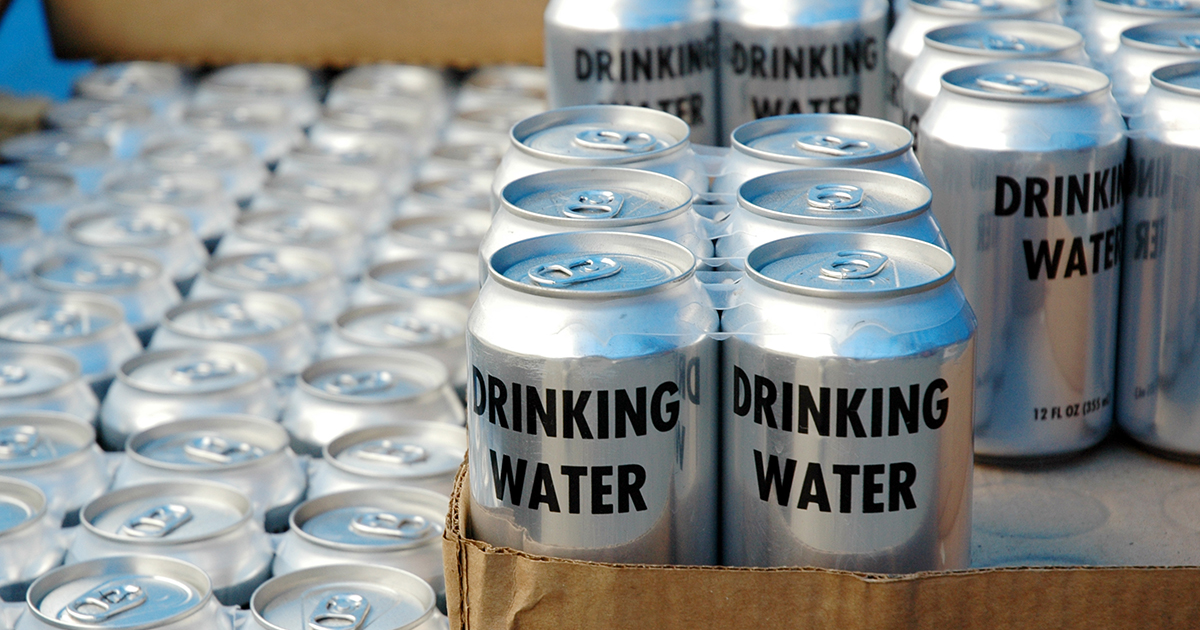
Beyond federal aid, state and local governments offer various forms of assistance tailored to the specific needs of their communities. State emergency management agencies coordinate relief efforts and provide information on available resources, including shelters, food assistance, and rebuilding programs. Local nonprofits and community organizations also play a crucial role, offering immediate support such as food, clothing, and temporary housing. These local entities understand the unique challenges faced by their communities and can offer targeted support to address those needs. By reaching out to state and local agencies, disaster victims can access a support network that understands their community’s unique challenges. This community-based approach ensures that assistance is both relevant and effective, providing a crucial lifeline in times of crisis.
Nonprofit Organizations: Bridging the Gap
Nonprofit organizations are often on the front lines, providing crucial support to disaster victims when they need it most. Organizations like the American Red Cross, Salvation Army, and United Way offer a range of services, from emergency shelter and food distribution to financial assistance for recovery efforts. These nonprofits work tirelessly to bridge the gap between immediate relief and long-term recovery, ensuring that victims receive the comprehensive support they need. Additionally, faith-based organizations and local charities often step in to provide personalized assistance, helping families rebuild their lives with dignity and compassion. By partnering with these organizations, disaster victims can access a wide array of resources and support systems that can significantly aid in their recovery journey.
Insurance Claims: Navigating the Process
For those with insurance coverage, filing claims promptly is essential to securing financial assistance for disaster-related damages. Homeowners, renters, and business owners should document all damages thoroughly, including taking photographs and keeping receipts for any expenses incurred during the recovery process. Contact your insurance provider as soon as possible to start the claims process, and be prepared to provide detailed information about the damages and losses. Understanding your policy and working closely with your insurance adjuster can help ensure a smoother claims process and quicker access to funds for rebuilding and repairs. Being proactive and organized can make a significant difference in the efficiency and success of your insurance claim, ultimately helping you get back on your feet faster.
Community Fundraising and Crowdfunding: Harnessing the Power of Support
In addition to formal assistance programs, community fundraising, and crowdfunding have become powerful tools for disaster relief. Platforms like GoFundMe and Kickstarter enable individuals and communities to raise funds quickly and efficiently. These grassroots efforts often provide immediate financial support to those in need, helping cover expenses that might not be fully addressed by other aid sources. Local businesses, schools, and community groups often organize fundraising events, bringing people together to support their neighbors in times of crisis. Leveraging these community-driven initiatives can make a significant difference in the recovery process, providing much-needed funds and fostering a sense of solidarity and support among community members.
Long-Term Recovery: Building Resilience for the Future
Recovering from a natural disaster is a long-term process that requires planning, resources, and resilience. Beyond immediate relief, victims need support to rebuild their homes, restore their livelihoods, and prepare for future events. Community development programs, such as those offered by Habitat for Humanity, provide critical assistance in rebuilding homes and infrastructure. Additionally, financial counseling and support services can help victims manage their finances, access additional funding sources, and create a recovery plan. Investing in preparedness and resilience can help communities better withstand future disasters and reduce the impact on their residents. By focusing on long-term recovery and resilience, communities can build a stronger foundation for the future, ensuring that they are better equipped to handle any challenges that may arise.
Emotional Support: Healing After the Storm
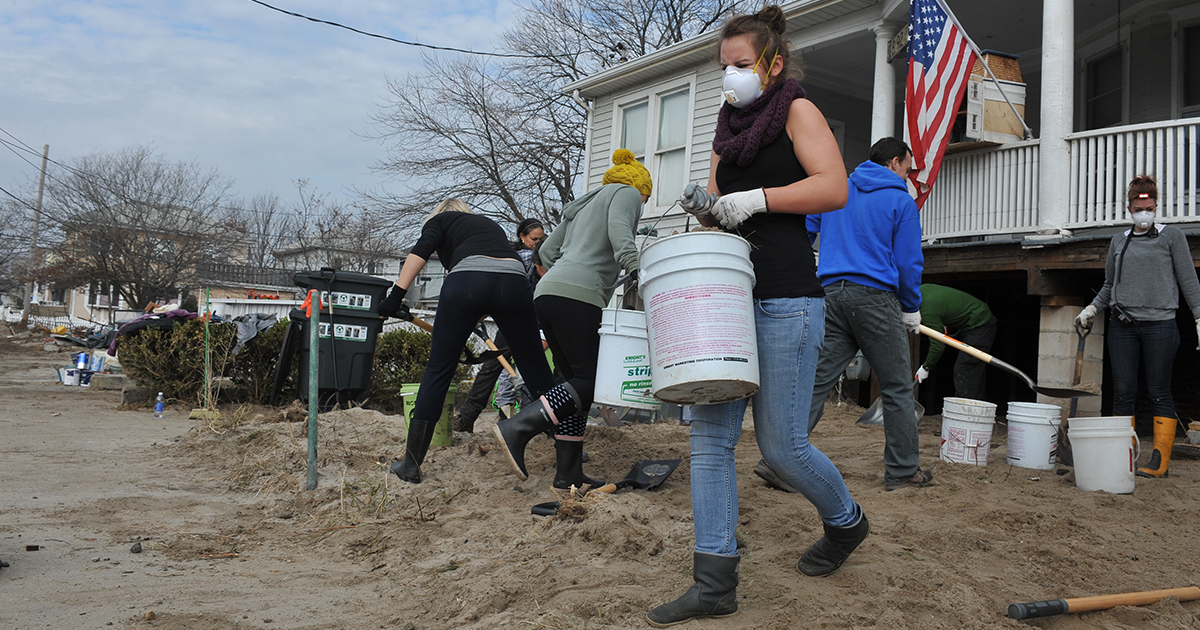
The emotional toll of a natural disaster can be as devastating as the physical damage. Victims often experience stress, anxiety, and grief as they cope with the loss of homes, loved ones, and a sense of security. Access to mental health resources is crucial for healing and recovery. Organizations like the Disaster Distress Helpline provide immediate crisis counseling and emotional support. Local mental health services, support groups, and counseling centers also offer valuable assistance, helping individuals and families navigate the emotional challenges of recovery. Taking care of mental health is a vital part of the overall recovery process, ensuring that victims can rebuild their lives both physically and emotionally. Disaster victims can find the strength and resilience needed to move forward by prioritizing emotional well-being.
Useful Resources and Links
For more information on disaster assistance programs and resources, visit the following websites:
- FEMA Disaster Assistance
- SBA Disaster Loan Assistance
- American Red Cross
- Salvation Army
- United Way
- Habitat for Humanity
- Disaster Distress Helpline
These resources offer comprehensive information and support for natural disaster victims, helping them access the financial assistance and services needed to recover and rebuild. By leveraging these programs and support networks, victims can navigate the challenging recovery journey with hope and resilience.

Add comment