

 Mark Luigi Dacumos
Understanding the Importance of Preparedness
Severe weather can strike at any time, and being prepared is crucial to ensure your safety and the safety of your loved ones. Whether it’s a hurricane, tornado, flood, or snowstorm, having a plan in place can make all the difference. Unfortunately, preparing for severe weather can sometimes feel overwhelming, especially if you’re on a tight budget. But with the right strategies, you can be well-prepared without breaking the bank. Let’s explore some practical, cost-effective ways to get ready for whatever Mother Nature throws your way.
Stocking Up on Essentials: Budget-Friendly Supplies
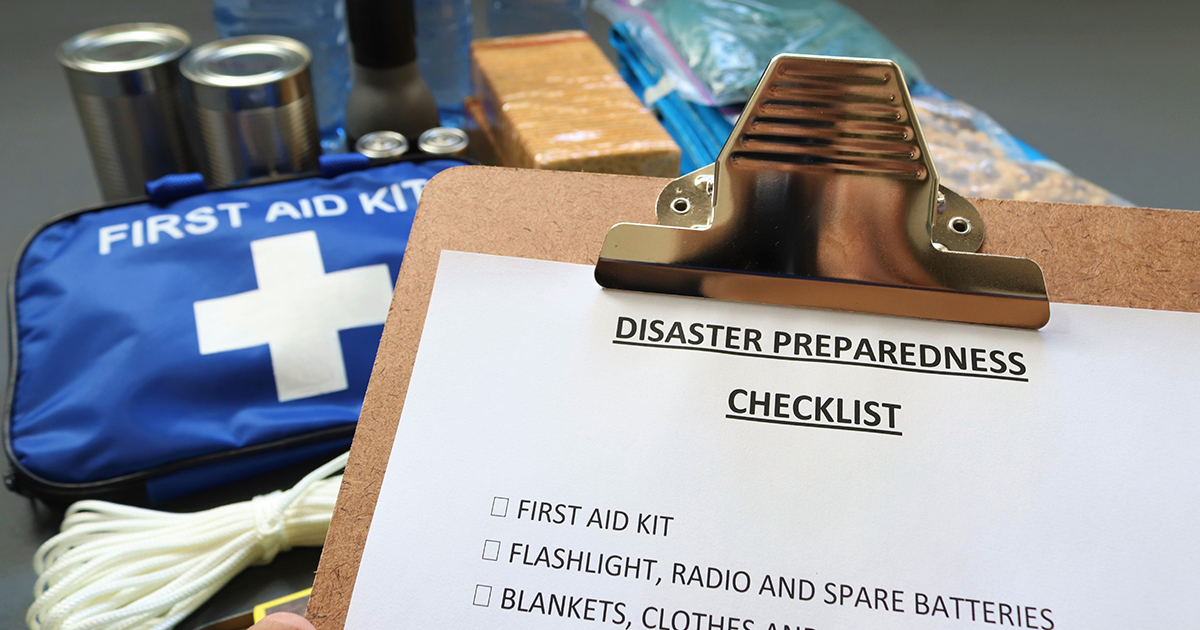
One of the first steps in preparing for severe weather is to stock up on essential supplies. This doesn’t mean you need to spend a fortune. Start with the basics and gradually build your emergency kit.
- Water: Store at least one gallon of water per person per day for at least three days. You can use empty, cleaned soda bottles or other food-grade containers to store tap water.
- Food: Look for non-perishable food items that are affordable and have a long shelf life. Canned goods, dry pasta, rice, and beans are excellent choices. Don’t forget a manual can opener!
- First Aid Kit: You can buy a basic first aid kit or make your own. Include bandages, antiseptics, pain relievers, and any prescription medications you or your family members may need.
- Lighting: Flashlights and extra batteries are essential. You can find inexpensive options at dollar stores. Consider also having candles and matches as a backup.
- Communication: A battery-operated or hand-crank radio can keep you informed about weather updates and emergency instructions.
By focusing on these essentials, you can create a comprehensive emergency kit without spending a lot of money. Remember to check your supplies regularly and replace any expired items.
Creating a Family Emergency Plan: Simple Steps to Safety

Having a family emergency plan is just as important as having supplies. It ensures that everyone knows what to do and where to go in case of severe weather.
- Meeting Place: Choose a safe location where your family can meet if you get separated. This could be a nearby park, a neighbor’s house, or another familiar spot.
- Emergency Contacts: Make a list of emergency contacts, including family members, friends, and local emergency services. Ensure everyone in the family knows these contacts and how to reach them.
- Evacuation Routes: Familiarize yourself with the evacuation routes in your area. Have a map on hand and practice driving these routes so you’re comfortable with them in case of an emergency.
- Communication Plan: Decide how you will communicate during an emergency. Text messages can often get through when phone calls can’t. Consider using social media or messaging apps as alternative methods to stay in touch.
By taking these simple steps, you can create a robust emergency plan that will help keep your family safe.
Weatherproofing Your Home: Affordable DIY Projects
Protecting your home from severe weather doesn’t have to be expensive. There are many DIY projects you can do to weatherproof your home on a budget.
- Windows and Doors: Use weather stripping and caulk to seal gaps around windows and doors. This helps keep out rain and wind. For an extra layer of protection, consider installing storm shutters or using plywood to cover windows during a storm.
- Roof and Gutters: Regularly inspect your roof for loose or missing shingles and repair them promptly. Clean your gutters to ensure they can effectively channel water away from your home.
- Yard Maintenance: Trim trees and bushes to remove dead branches that could fall during a storm. Secure outdoor furniture, grills, and other items that could become projectiles in high winds.
- Flood Prevention: If you live in a flood-prone area, consider installing inexpensive flood barriers or sandbags to protect your home. Elevate electrical appliances and other valuables if possible.
These projects can significantly increase your home’s resilience to severe weather without costing a lot of money.
Staying Informed: Free Resources for Weather Updates
Staying informed is crucial when severe weather is on the horizon. Thankfully, there are many free resources available to keep you updated.
- NOAA Weather Radio: The National Oceanic and Atmospheric Administration (NOAA) provides continuous weather information and emergency alerts. A basic weather radio can be purchased for a reasonable price.
- Smartphone Apps: Several free apps provide weather updates and emergency alerts. Some popular ones include the Weather Channel, AccuWeather, and FEMA apps.
- Local News: Tune in to your local news stations for real-time updates and instructions during severe weather events.
By taking advantage of these free resources, you can stay informed and make timely decisions to protect yourself and your family.
Federal and Local Assistance Programs: Help When You Need It
In the aftermath of severe weather, you may need additional assistance. Various federal and local programs are available to help those affected by disasters.
- FEMA Assistance: The Federal Emergency Management Agency (FEMA) provides financial assistance for temporary housing, home repairs, and other disaster-related expenses. Visit the FEMA website for more information.
- State and Local Programs: Many states and local governments have disaster assistance programs. Check with your local emergency management office to see what resources are available in your area.
- Community Organizations: Nonprofits and community organizations often provide support during and after disasters. Organizations like the Red Cross and Salvation Army offer shelter, food, and other assistance.
These programs can provide much-needed support and resources to help you recover from severe weather events.
Conclusion: Being Prepared Without Breaking the Bank
Preparing for severe weather is essential, but it doesn’t have to be expensive. By focusing on budget-friendly supplies, creating a solid emergency plan, weatherproofing your home, staying informed, and knowing where to seek help, you can protect yourself and your family. Remember, preparation is the key to safety and peace of mind. Stay safe and stay prepared!
For more information on federal programs and other resources, visit the FEMA website.
Add comment