
 Mark Luigi Dacumos
Understanding the Financial Risks of Climate Change
Climate change isn’t just an environmental issue; it’s a financial one too. Rising temperatures, increased frequency of extreme weather events, and shifting climate patterns all contribute to economic instability. Homes and businesses face physical damage from floods, hurricanes, and wildfires. Insurance premiums are climbing as companies adjust to higher risks. Even the value of your investments can be affected by climate-related disruptions. It’s essential to recognize these risks and take steps to protect your financial future.
Insurance: Your First Line of Defense
One of the most immediate ways to safeguard your finances against climate change is through insurance. Homeowners and renters should review their policies to ensure they cover climate-related damages. Flood insurance, for instance, is crucial for those in flood-prone areas, and wildfire insurance is becoming increasingly important in many regions. Additionally, consider updating your policy limits to reflect the current replacement cost of your home and belongings. It’s also wise to document your possessions with photos or videos to make the claims process smoother.
Investing in Sustainable and Resilient Assets
As the effects of climate change become more pronounced, investing in sustainable and resilient assets can help protect and potentially grow your wealth. Sustainable investments, such as green bonds or stocks in renewable energy companies, support environmentally friendly initiatives and can offer solid returns. Furthermore, consider investing in companies that prioritize climate resilience in their operations. These businesses are more likely to withstand climate disruptions and continue to perform well financially.
Diversifying Your Income Sources
Climate change can impact various industries in unexpected ways, making income diversification a smart strategy. Relying on a single income source can leave you vulnerable to industry-specific climate impacts. Consider exploring additional income streams, such as freelance work, part-time jobs, or passive income opportunities like rental properties. By diversifying your income, you can create a financial buffer against climate-related economic downturns.
Creating an Emergency Fund
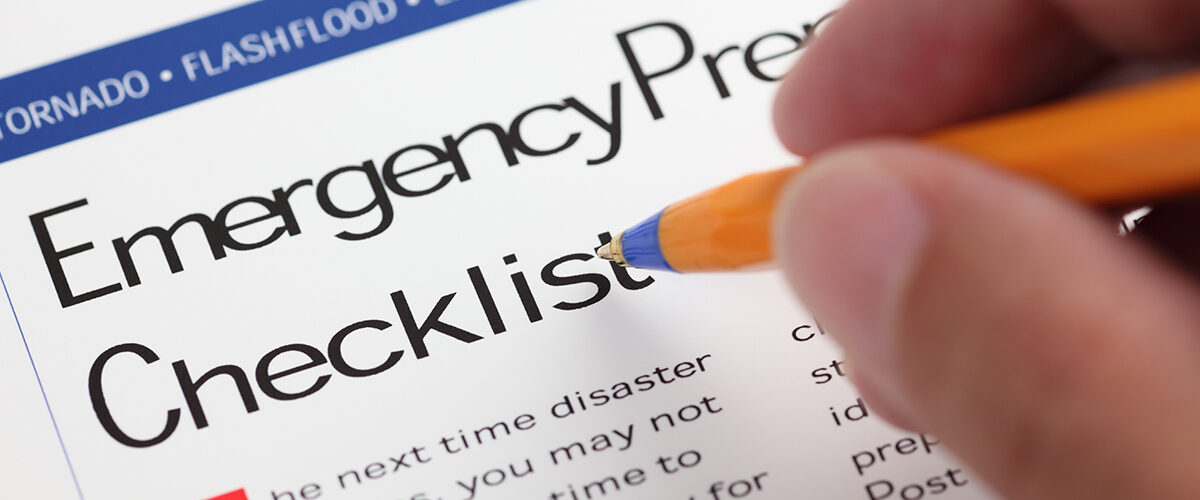
An emergency fund is a financial safety net that can help you weather the storms of climate change. Aim to save three to six months’ worth of living expenses in a readily accessible account. This fund can cover unexpected costs, such as repairs for climate-related damages or temporary housing if you need to evacuate. Building and maintaining an emergency fund provides peace of mind and financial stability in uncertain times.
Adapting Your Budget to Climate Realities
As climate change continues to affect everyday life, it’s important to adapt your budget accordingly. This might mean allocating more funds for higher utility bills during extreme weather periods or setting aside money for climate-proofing your home. Small adjustments to your budget can help you manage the financial impacts of climate change without feeling overwhelmed. Regularly review and update your budget to reflect changing circumstances and priorities.
Government Programs and Financial Assistance
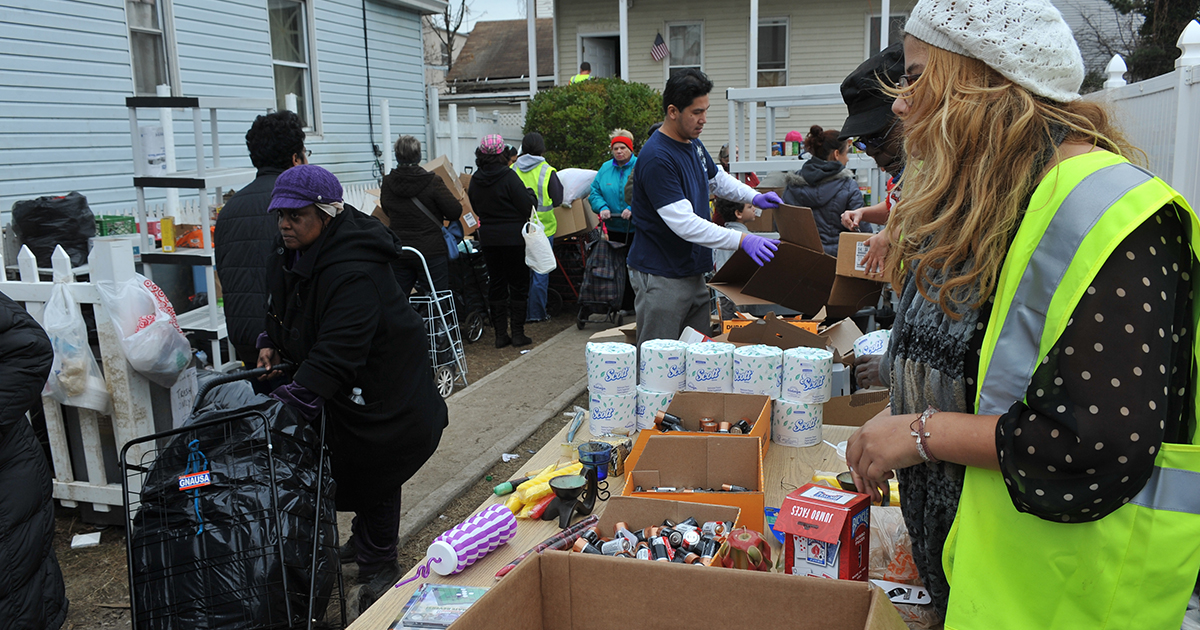
Several government programs can help mitigate the financial impact of climate change. The Federal Emergency Management Agency (FEMA) offers disaster assistance and grants for those affected by climate-related events. The U.S. Department of Housing and Urban Development (HUD) provides resources for rebuilding and repairing homes after disasters. Additionally, the Small Business Administration (SBA) offers low-interest disaster loans to businesses, homeowners, and renters. Exploring these programs can provide valuable support in times of need.
For more information on these programs, you can visit the following websites:
Embracing Energy Efficiency and Sustainable Practices
Adopting energy-efficient and sustainable practices can help reduce your environmental impact and save money. Simple changes, like switching to LED lighting, using energy-efficient appliances, and improving home insulation, can lower your utility bills. Additionally, solar panels or other renewable energy sources should be considered to reduce energy costs further. Sustainable practices help protect the planet and contribute to long-term financial savings.
Staying Informed and Proactive
Staying informed about climate change and its financial implications is key to protecting your finances. Keep up with news and research on climate-related risks and opportunities. Attend workshops or webinars on financial planning for climate change. By being proactive and educated, you can make informed decisions that safeguard your financial well-being.
Conclusion
Climate change presents significant financial challenges, but with careful planning and proactive measures, you can protect your finances. Review your insurance coverage, invest in sustainable assets, diversify your income, and create an emergency fund. Adapt your budget to reflect new climate realities and explore government assistance programs. Embrace energy-efficient practices and stay informed about climate risks. By taking these steps, you can build a resilient financial future in the face of climate change. For more information on available programs and assistance, visit the FEMA, HUD, and SBA websites.

Add comment