

 Mark Luigi Dacumos
Understanding the WIC Program
The Women, Infants, and Children (WIC) program is a lifeline for many families across the United States. Established to support low-income pregnant women, new mothers, infants, and children up to age five, WIC provides crucial nutritional assistance and health education. The program addresses both immediate and long-term health needs by ensuring access to healthy foods and offering educational resources. It is designed to improve health outcomes for vulnerable populations, giving children a healthy start in life and supporting mothers during crucial stages of pregnancy and postpartum recovery. By focusing on nutrition and health, WIC plays a vital role in promoting the well-being of communities across the nation.
The Benefits of WIC
WIC provides a variety of benefits that go beyond just food assistance. Participants receive healthy food, nutrition education, breastfeeding support, and referrals to healthcare and other social services. The goal is to improve the health and well-being of participants during critical stages of development. These benefits not only help families today but also contribute to long-term health improvements. By offering a holistic approach to health, WIC ensures that participants have the resources and knowledge needed to maintain a healthy lifestyle. The program’s comprehensive support network is a key factor in its success and its positive impact on public health.
Who Qualifies for WIC?
To qualify for WIC, individuals must meet specific criteria. This includes being a pregnant, postpartum, or breastfeeding woman, an infant, or a child up to five years old. Additionally, applicants must meet income guidelines and be at nutritional risk, which is assessed by a health professional. The program is open to U.S. citizens and many non-citizens, ensuring broad accessibility. The income guidelines are designed to help those who might not qualify for other types of assistance but still need support. This inclusivity ensures that WIC can reach a diverse range of families who benefit from its services.
How to Apply for WIC
Applying for WIC is a straightforward process. Interested individuals can contact their local WIC office to schedule an appointment. During this appointment, applicants will need to provide proof of income, residency, and identity. A health assessment will also be conducted to determine nutritional risk. Once approved, participants receive benefits that they can use at authorized stores. The application process is designed to be user-friendly and accessible, ensuring that those in need can easily access the support WIC offers. Local offices provide personalized assistance to guide applicants through each step, making the process as smooth as possible.
Nutritional Support and Food Packages
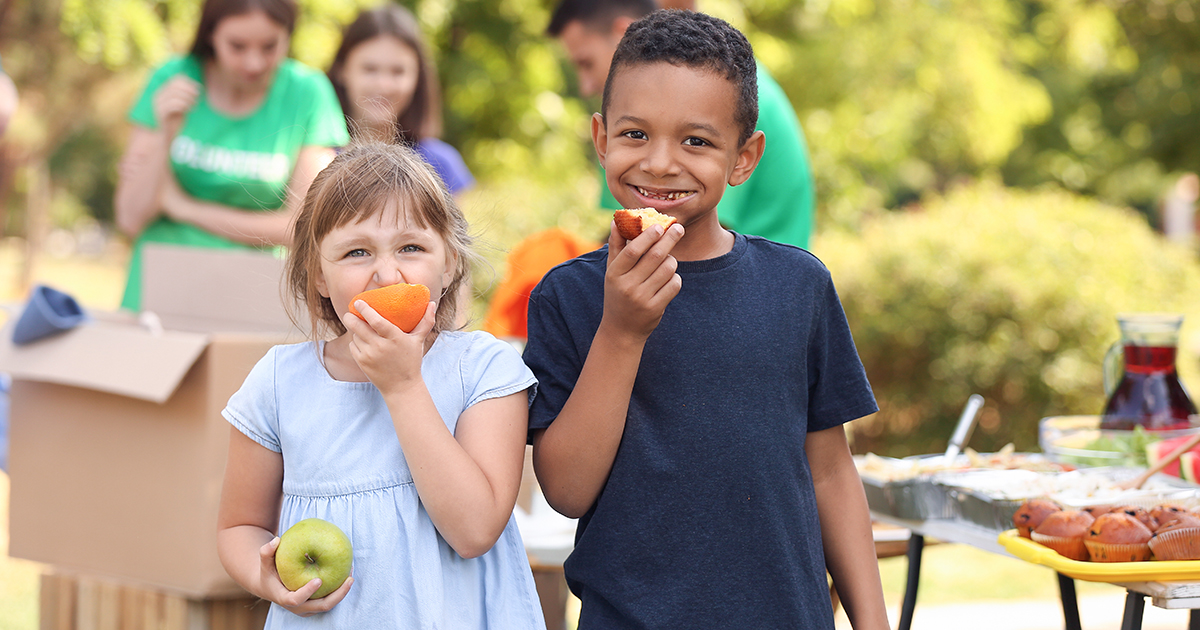
One of the primary benefits of WIC is the provision of nutritious foods. The program offers specific food packages tailored to the needs of different participants. For example, pregnant women receive foods rich in protein, iron, and calcium, while infants get formula or breastfeeding support. Children receive a variety of healthy foods like fruits, vegetables, whole grains, and dairy products. These food packages are designed to meet the dietary needs of each participant group. By providing access to essential nutrients, WIC helps ensure that participants can maintain a balanced and healthy diet. The carefully curated food packages play a crucial role in promoting optimal health outcomes.
Breastfeeding Support and Education
WIC strongly promotes breastfeeding as the optimal feeding choice for infants. The program provides breastfeeding education, support from trained professionals, and even breast pumps for mothers who need them. Breastfeeding peer counselors are available to offer guidance and encouragement, helping mothers overcome any challenges they may face. This support is crucial in promoting healthy infant development and maternal well-being. By empowering mothers with the knowledge and resources needed to breastfeed successfully, WIC fosters a supportive environment for families. Breastfeeding support is a cornerstone of the program, reflecting its commitment to the best possible health outcomes for infants and mothers.
Health Screenings and Referrals
In addition to nutritional support, WIC participants receive health screenings and referrals to other services. These screenings help identify potential health issues early, ensuring that families can access the care they need. Referrals may include connections to healthcare providers, dental services, and other community resources. This comprehensive approach ensures that participants receive well-rounded support for their health and wellness. Early detection and intervention are key components of WIC’s strategy, helping to prevent and address health problems before they become more serious. The program’s integrated network of services provides a safety net for families, promoting overall well-being.
WIC and Your Community

WIC plays a significant role in communities across the country. By supporting the health and nutrition of women, infants, and children, the program contributes to stronger, healthier communities. Local WIC offices often collaborate with other community organizations to provide additional resources and support, creating a network of care that benefits everyone. The ripple effect of WIC’s support extends beyond individual families, fostering a healthier environment for all community members. By investing in the health of its youngest members, WIC helps build a foundation for future generations. The program’s community-centric approach highlights its broader impact on public health and wellness.
Success Stories and Impact
The impact of the WIC program is evident in the countless success stories from participants. Families often report improved health outcomes, better nutrition, and increased knowledge about healthy eating habits. These positive changes have long-lasting effects, helping children grow up healthier and more prepared for the future. The success of the WIC program highlights its importance as a vital resource for families in need. Testimonials from participants underscore the program’s effectiveness and the difference it makes in people’s lives. By sharing these stories, WIC continues to inspire and educate others about the benefits of its support.
Getting Involved and Supporting WIC
Community members and organizations can support the WIC program in various ways. Volunteering, donating, and advocating for the program are all valuable contributions. By raising awareness about WIC and its benefits, more families can access the support they need. Supporting WIC means investing in the health and future of our communities. Community involvement is crucial to the program’s success, as it helps extend its reach and impact. By working together, we can ensure that WIC continues to provide essential support to those who need it most. Your involvement can make a significant difference in the lives of many families.
Useful Links and Resources
For more information on the WIC program and to find your local WIC office, visit the USDA WIC website.
WIC is a lifeline for many, providing essential support during some of life’s most critical moments. By understanding and utilizing this program, families can ensure they receive the nutrition and care needed for a healthy start. Whether you’re a potential participant or a community member looking to help, WIC is a valuable resource worth supporting.


Add comment