
 Mark Luigi Dacumos
Introduction to SNAP: A Lifeline for Many
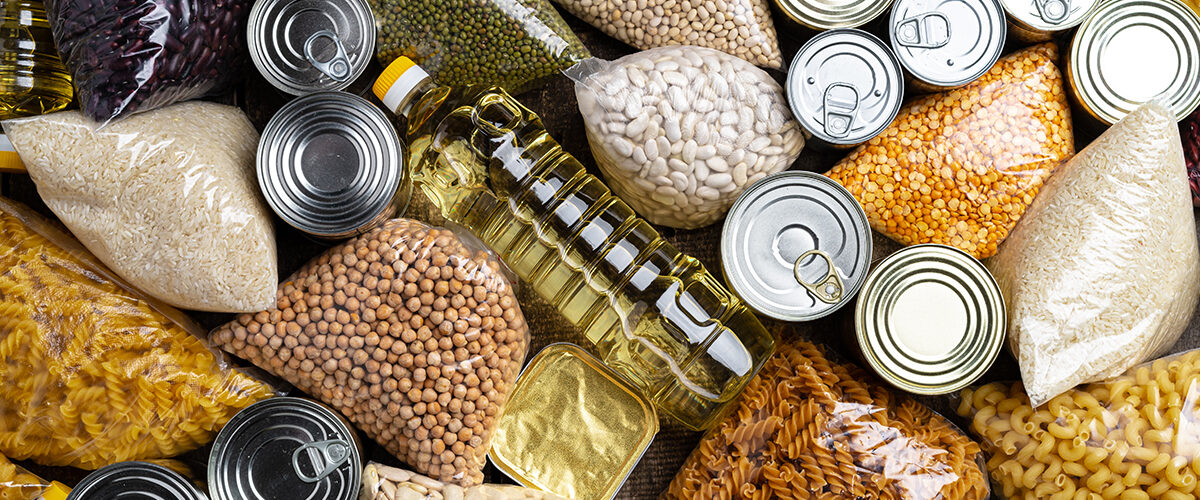
The Supplemental Nutrition Assistance Program (SNAP) is a federal assistance program that helps low-income individuals and families afford nutritious food. With the cost of living constantly rising, many people find themselves needing a bit of extra help to make ends meet. SNAP is designed to provide temporary support, helping you and your family access the healthy foods you need. SNAP can be a crucial resource if you’re facing a job loss, unexpected expenses, or struggling to stretch your budget. This program is about more than just food; it’s about providing stability and support during tough times.
Eligibility: Who Can Benefit from SNAP?
Understanding if you qualify for SNAP is the first step. SNAP benefits are available to individuals and families with limited income, but the eligibility criteria consider several factors. The program considers your household’s income, size, and specific expenses, among other things. It’s designed to ensure that those needing assistance receive it. Even if you think you might not qualify, it’s worth checking the guidelines, as you might be eligible after certain deductions. Knowing these criteria can help determine if SNAP can provide your needed support.
Income Requirements
SNAP eligibility largely depends on your household’s income level. The program uses the federal poverty level (FPL) to determine eligibility. You may qualify if your income is at or below 130% of the FPL. This means that SNAP is accessible to a wide range of people, including those who are working but still struggling to cover all their expenses.
Household Composition
The size of your household also plays a significant role. SNAP defines a household as everyone who lives together and purchases and prepares meals together. This can include families, roommates, and individuals living alone. The more people in your household, the higher your income threshold for eligibility will be.
Expenses and Deductions
Certain expenses, like housing and childcare, can be deducted from your income when determining eligibility. This means that even if your income is slightly above the threshold, you might still qualify after deductions. These deductions can make a significant difference, so it’s important to include all applicable expenses in your application.
Applying for SNAP: A Step-by-Step Guide
Applying for SNAP can seem overwhelming, but it doesn’t have to be. By following a straightforward process, you can successfully apply and start receiving benefits. Knowing what to expect and having all your documents ready can make the application process smoother. Here’s a step-by-step guide to help you through the process and ensure you have everything you need. This guide will walk you through each stage, from gathering documents to receiving your benefits.
Gather Your Documents
Before you begin your application, gather the necessary documents. Having these ready will make the application process quicker and less stressful. These typically include:
- Proof of identity (driver’s license, birth certificate)
- Social Security numbers for all household members
- Proof of income (pay stubs, tax returns)
- Proof of expenses (rent/mortgage payments, utility bills)
Complete the Application
You can apply for SNAP online, by mail, or in person at your local SNAP office. Each state has its application form and process, but the essential information required is similar. Make sure to fill out the form completely and accurately to avoid any delays in processing your application.
Attend an Interview
After submitting your application, you’ll likely need to participate in an interview, either in person or over the phone. This interview helps verify your information and determine your eligibility. It’s an important step, so be prepared to discuss your household situation and any relevant details.
Receive Your EBT Card
If you’re approved for SNAP benefits, you’ll receive an Electronic Benefits Transfer (EBT) card. This card works like a debit card and can be used to purchase eligible food items at participating stores. It’s a convenient and discreet way to access your benefits and ensure you can buy the food your family needs.
Maximizing Your SNAP Benefits: Tips and Tricks
Once you’re approved for SNAP, it’s essential to make the most of your benefits. Maximizing your benefits ensures that you get the most nutritious food possible within your budget. With some strategic planning and smart shopping, you can stretch your SNAP dollars further. Here are some practical tips to help you make the most of your SNAP benefits and ensure your household gets the best nutrition possible. These tips will help you save money and eat healthily.
Plan Your Meals
Meal planning is one of the most effective ways to maximize your SNAP benefits. By planning your meals ahead of time, you can create a shopping list that focuses on nutritious and affordable foods. This helps avoid impulse buys and ensures you get the most value for your money. Plus, having a meal plan can make daily life more organized and less stressful.
Shop Smart
Look for sales, use coupons, and buy in bulk when it makes sense. Many grocery stores offer discounts and specials that can help you save. Also, consider generic brands, which often offer the same quality as name brands at a lower price. Shopping smart can make a significant difference in how far your SNAP benefits go.
Utilize Farmers Markets
Many farmer’s markets accept SNAP benefits and offer fresh, locally-grown produce. Some markets even provide matching programs, where your SNAP dollars go further. Check your local market for these opportunities. Buying fresh produce not only supports local farmers but also ensures you and your family eat healthy foods.
Cook in Batches
Cooking larger quantities of food at once and freezing portions for later can save both time and money. It allows you to take advantage of bulk purchases and reduces food waste. Batch cooking can also make meal times easier and more convenient, especially on busy days.
Understanding What SNAP Covers
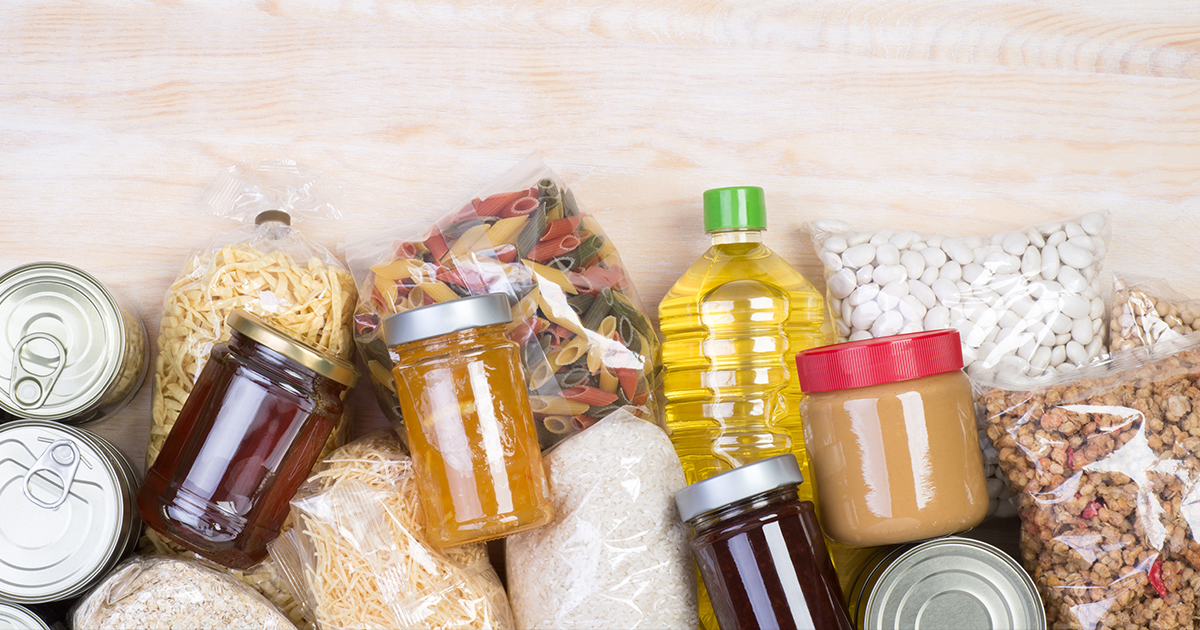
It’s important to know what items you can and cannot purchase with your SNAP benefits. This knowledge helps you make informed decisions and ensures you’re using your benefits correctly. Generally, SNAP covers most food items, but there are some exceptions. Understanding these guidelines will help you plan your shopping trips and meals more effectively.
Eligible Items
- You can use your SNAP benefits to buy:
- Fruits and vegetables
- Meat, poultry, and fish
- Dairy products
- Breads and cereals
- Snack foods and non-alcoholic beverages
- Seeds and plants to grow food at home
Ineligible Items
SNAP benefits cannot be used for:
- Alcoholic beverages and tobacco products
- Vitamins, medicines, and supplements
- Hot foods and foods that will be eaten in the store
- Non-food items like pet foods, cleaning supplies, and paper products
Additional Resources and Support
Besides SNAP, there are other resources available to help you with food and nutrition. These programs and organizations offer additional support to ensure you have access to healthy food. Utilizing these resources can provide extra assistance and enhance your household’s food security. Here are a few programs and organizations that might be useful:
WIC (Women, Infants, and Children)
WIC provides supplemental foods, health care referrals, and nutrition education for low-income pregnant, breastfeeding, and non-breastfeeding postpartum women, and to infants and children up to age five who are found to be at nutritional risk. This program is designed to ensure that vulnerable populations receive the nutrition they need.
National School Lunch Program (NSLP)
The NSLP provides low-cost or free lunches to children each school day. It operates in public and nonprofit private schools and residential childcare institutions. This program helps ensure that children receive nutritious meals even if their families are struggling financially.
Feeding America
Feeding America is a nationwide network of food banks that provides food to people in need through food pantries, soup kitchens, shelters, and other community-based agencies. This organization works to fight hunger and ensure everyone has access to enough food.
Useful Links and Resources
For more information and to apply for SNAP, visit the USDA SNAP website.
For information on WIC, visit the WIC website.
To learn about the National School Lunch Program, visit the NSLP website.
For resources from Feeding America, visit the Feeding America website.
Conclusion: Empowering Your Household with SNAP
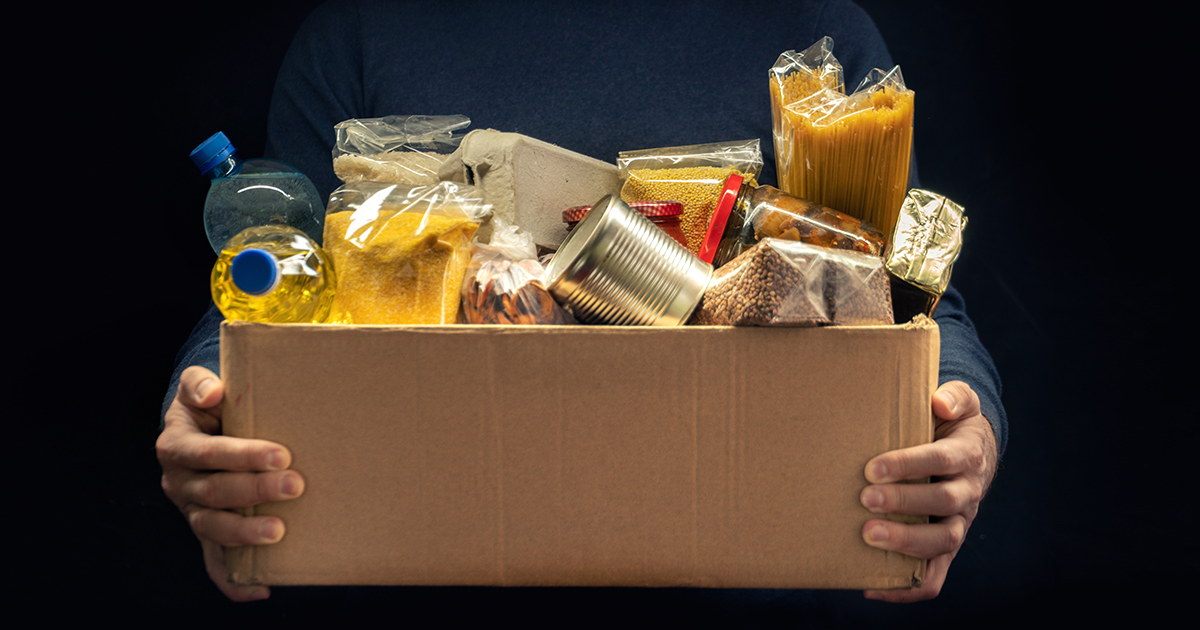
SNAP is more than just a food assistance program; it’s a lifeline that can provide significant relief during challenging times. By understanding the application process, knowing what benefits you’re entitled to, and learning how to maximize those benefits, you can make a substantial impact on your household’s well-being. Remember, SNAP is here to support you, so take advantage of this valuable resource to ensure you and your family have access to nutritious food.

Add comment