
 Mark Luigi Dacumos
Introduction: Navigating the Maze of Debt Settlement
Debt can feel overwhelming, especially when you’re juggling multiple bills and facing mounting interest rates. For many, debt settlement emerges as a beacon of hope, offering a way to reduce what you owe and regain control of your finances. But is it the right choice for you? This guide will walk you through the essentials of debt settlement, helping you make an informed decision. Understanding the benefits and potential drawbacks will enable you to decide if this path suits your financial situation.
The Rise of Debt Settlement: Why It’s a Popular Option
Debt settlement has gained traction as more individuals seek alternatives to bankruptcy and other debt-relief methods. It appeals to many because it offers a potential reduction in the total amount owed, providing a tangible way to alleviate financial stress. Real-life stories of successful debt settlements serve as a beacon of hope, showcasing that it’s possible to regain financial stability. This growing popularity highlights the need for a clear understanding of how debt settlement works. By exploring this option, you may find a viable solution to your financial challenges.
Personal Stories: Real-Life Experiences with Debt Settlement
Consider Jane, who was drowning in credit card debt. Through a reputable debt settlement company, she negotiated with her creditors and reduced her debt by 40%. Or take Mark, who faced insurmountable medical bills. Debt settlement allowed him to pay off his debt in a way that was manageable, saving him from declaring bankruptcy. These stories are not uncommon and highlight the potential benefits of debt settlement. Hearing about others’ successes can provide the encouragement you need to explore this option.
What is Debt Settlement? Unpacking the Basics
Defining Debt Settlement: A Simple Explanation
Debt settlement involves negotiating with your creditors to pay a lump sum that is less than the total amount you owe. It’s a way to settle your debt for less than what you originally borrowed. This method can offer significant financial relief and help you avoid the harsher consequences of bankruptcy. Understanding the basics of debt settlement is crucial to deciding if it’s the right choice for you. It’s a strategic move to regain control of your finances.
How Debt Settlement Works: Step-by-Step Process

Assessment: Evaluate your financial situation to see if debt settlement is a viable option. Selection: Choose a reputable debt settlement company. Negotiation: The company negotiates with your creditors on your behalf. Agreement: Once an agreement is reached, you pay the agreed lump sum. Completion: Your debt is considered settled. This step-by-step process helps you understand what to expect and how to prepare for each phase. It’s a structured approach to managing and reducing your debt.
Common Myths and Misconceptions: Debunking the Myths
There are several misconceptions about debt settlement. Some believe it’s an easy fix, while others think it will ruin your credit forever. The truth lies somewhere in between. Understanding these myths can help you make a more informed decision. Clarifying these misconceptions ensures you have a realistic view of what debt settlement entails and its potential impact on your financial future.
Pros and Cons of Debt Settlement: Weighing Your Options
Benefits of Debt Settlement: Finding Financial Relief
Debt Reduction: Pay less than what you owe. Avoid Bankruptcy: It’s a less drastic alternative. Single Payment: Consolidate multiple debts into one payment. These benefits provide a clear path to financial relief and can make managing your debt more straightforward. Understanding these advantages can help you see why debt settlement might be a suitable option for you.
Potential Drawbacks: Understanding the Risks
Credit Impact: It can lower your credit score initially. Fees: Debt settlement companies charge fees for their services. Tax Consequences: The forgiven debt may be considered taxable income. Being aware of these potential drawbacks helps you weigh the risks and make a well-informed decision. It’s essential to consider these factors to avoid any surprises down the road.
Comparing Debt Settlement with Other Debt Relief Options
Debt settlement isn’t the only option. Debt consolidation, credit counseling, and bankruptcy each have their pros and cons. Comparing these options can help you find the best solution for your situation. This comparison allows you to understand which method aligns best with your financial goals and current situation. Each option has unique benefits and potential drawbacks that should be considered.
The Debt Settlement Process: What to Expect
Choosing a Reputable Debt Settlement Company: Key Considerations
Research is crucial. Look for companies with good reviews, clear fees, and a track record of successful negotiations. The Federal Trade Commission offers guidelines to help you choose a reputable firm. Taking the time to find a trustworthy company ensures you’re working with professionals who have your best interests in mind. It’s an important step in the debt settlement process.
The Negotiation Phase: How Companies Work with Creditors
During this phase, the debt settlement company negotiates with your creditors to agree on a reduced amount. This process can take several months and requires patience and persistence. Understanding how this phase works helps you manage your expectations and stay informed about the progress. It’s a critical part of reaching a successful settlement agreement.
The Settlement Agreement: What Happens Next
Once a settlement is reached, you’ll need to pay the agreed-upon lump sum. After payment, the debt is considered settled, and you’ll no longer owe money on that particular account. This final step brings you closer to financial freedom and allows you to start rebuilding your credit. It’s a significant milestone in your journey toward debt relief.
Is Debt Settlement the Right Choice for You? Evaluating Your Situation
Assessing Your Financial Health: Key Indicators
Consider your income, expenses, total debt, and ability to make payments. If your debt is overwhelming and you can’t see a way to pay it off in a reasonable time, debt settlement might be worth considering. These indicators help you assess whether debt settlement is a practical option for your financial situation. It’s essential to take a comprehensive look at your finances before making a decision.
Alternative Debt Relief Options: Exploring Other Avenues
Look into debt consolidation, credit counseling, and bankruptcy. Each has different implications for your financial health and future credit opportunities. Exploring these alternatives ensures you choose the best method for your needs. Each option offers unique benefits and potential challenges that should be considered carefully.
Personal Considerations: Questions to Ask Yourself
Can I afford the lump sum payment? Am I prepared for the impact on my credit score? Do I have a plan for rebuilding my credit post-settlement? These questions help you evaluate your readiness for debt settlement and its potential impact on your financial future. Being honest with yourself about these considerations is crucial for making an informed decision.
Legal and Financial Implications of Debt Settlement
Impact on Credit Score: What You Need to Know
Debt settlement can lower your credit score initially, but the impact lessens over time as you rebuild your credit. Paying off settled debts can also positively impact your credit in the long run. Understanding how debt settlement affects your credit score helps you plan for rebuilding your financial health. It’s an important factor to consider in your decision-making process.
Tax Implications: Understanding the Consequences
The forgiven debt may be considered taxable income. It’s important to consult with a tax professional to understand how debt settlement will affect your taxes. Being aware of these tax implications ensures you’re prepared for any potential financial obligations. Consulting a tax expert can provide clarity and help you avoid surprises.
Legal Rights and Protections: Your Rights as a Consumer
Know your rights. The Fair Debt Collection Practices Act (FDCPA) protects you from abusive practices by debt collectors. Understanding these rights can help you navigate the debt settlement process more confidently. Being informed about your legal protections ensures you’re treated fairly and can advocate for yourself effectively.
Tips for a Successful Debt Settlement Journey
Staying Informed: Resources and Support
Stay educated about debt settlement. Websites like the Consumer Financial Protection Bureau (CFPB) offer valuable resources. Keeping yourself informed empowers you to make better decisions and stay on track throughout the process. Accessing reliable resources provides guidance and support.
Avoiding Scams: Red Flags to Watch Out For
Be wary of companies that ask for upfront fees or make guarantees that sound too good to be true. Legitimate companies will be transparent about their fees and processes. Recognizing these red flags helps you avoid scams and choose a reputable company. Protecting yourself from fraudulent practices is crucial for a successful debt settlement journey.
Post-Settlement Strategies: Rebuilding Your Financial Life
After settling your debts, focus on rebuilding your credit. Create a budget, pay your bills on time, and consider working with a credit counselor to develop a financial plan. These strategies help you regain financial stability and improve your credit score. Taking proactive steps ensures a smooth transition to a healthier financial future.
Conclusion: Making an Informed Decision
Summarizing Key Points: A Recap of Debt Settlement Insights
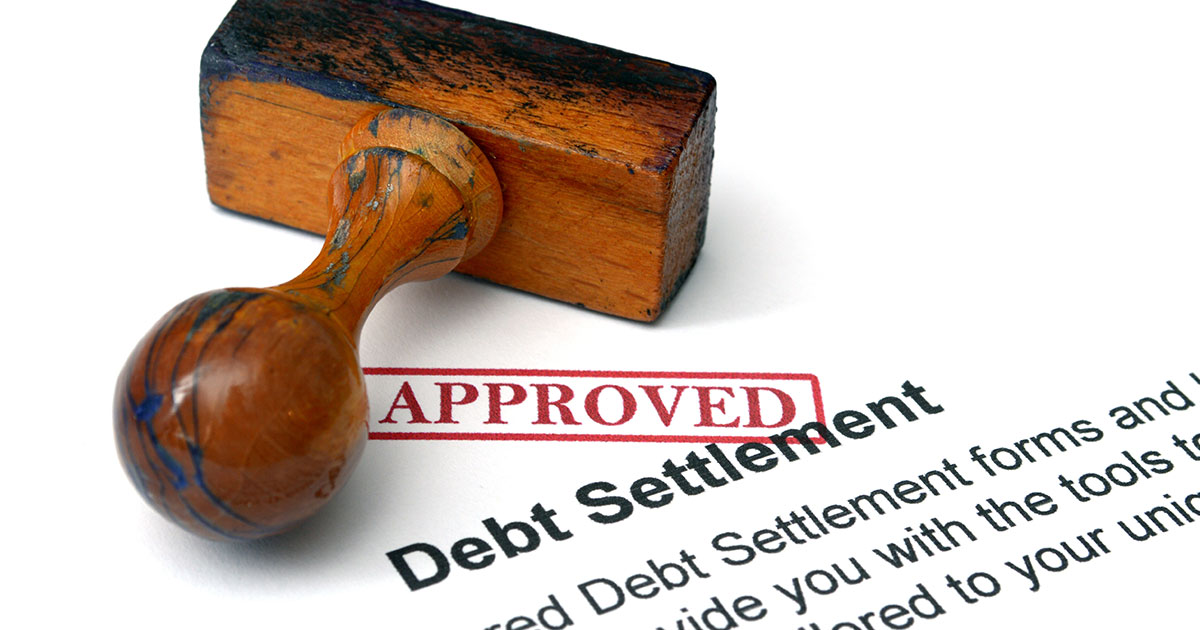
Debt settlement can offer a path to financial relief, but it’s important to weigh the pros and cons carefully. Understanding the process, potential impacts, and alternatives can help you make an informed decision. Recapping these insights provides a clear overview to help you decide if debt settlement is the right choice for you. It’s a crucial step in your financial journey.
Moving Forward: Steps to Take After Deciding on Debt Settlement
If you decide debt settlement is right for you, choose a reputable company, stay informed, and plan for your financial future. Remember, the goal is to become debt-free and rebuild your credit. Taking these steps ensures you’re prepared for the challenges and opportunities ahead. It’s a positive move toward financial freedom.
Encouragement and Support: You’re Not Alone in This Journey
Debt settlement can be a challenging process, but you don’t have to go through it alone. Seek support from financial advisors, credit counselors, and support groups. Remember, taking steps toward financial stability is a journey, and every step forward is progress. Having a support system can provide encouragement and guidance throughout the process.

Add comment