

 Mark Luigi Dacumos
Introduction: Understanding Debt Consolidation
Debt consolidation combines multiple debts into a single, manageable payment. This strategy can simplify your finances, lower your interest rates, and help you pay off your debt more efficiently. By consolidating your debt, you can regain control over your financial health and work towards a more stable future. It’s a practical approach for those feeling overwhelmed by multiple payments. Simplifying your debt repayment process can make managing your finances much easier and less stressful.
Why Debt Consolidation Matters for Financial Health
Debt consolidation is important because it reduces the stress of juggling multiple payments, lowers your overall interest rates, and provides a clear path to becoming debt-free. It’s a crucial step for anyone looking to improve their financial situation and reduce the burden of high-interest debt. By consolidating, you can better manage your payments, save money on interest, and take a significant step toward financial freedom. It’s about creating a manageable and structured plan to pay off your debt more efficiently.
Common Misconceptions About Debt Consolidation
Many people believe that debt consolidation is a quick fix or that it can damage your credit score. In reality, when done correctly, it can simplify your finances and potentially improve your credit score over time. Understanding these misconceptions can help you make informed decisions about your financial health. Debt consolidation is not a magic solution but a strategic tool to better manage your debt. With the right approach, it can be a powerful step toward financial stability.
Evaluating Your Financial Situation
Before you consolidate your debt, it’s important to take a close look at your current financial situation. This involves assessing your debts, analyzing your monthly budget, and understanding your credit score. Knowing what you owe and where your money is going can help you choose the best consolidation strategy. It’s essential to have a clear picture of your finances to make an informed decision. This step ensures you are well-prepared for the debt consolidation process.
Assessing Your Debt: Knowing What You Owe
Start by listing all your debts, including credit cards, personal loans, and any other outstanding balances. Knowing the total amount you owe and the interest rates on each debt will help you determine the best consolidation strategy. This detailed understanding is crucial for effective debt management. By clearly outlining your debts, you can make a more informed choice about how to consolidate them. It’s about taking control and knowing exactly where you stand financially.
Analyzing Your Monthly Budget: Finding Areas to Cut Costs
Review your monthly budget to identify areas where you can cut costs. This might include reducing discretionary spending or finding ways to lower your utility bills. Freeing up extra cash can make it easier to manage your consolidated payments. A careful budget analysis helps you find the wiggle room needed to stay on top of your new, consolidated payment plan. It’s all about smart spending and prioritizing your financial health.
Understanding Your Credit Score and Its Impact
Your credit score plays a significant role in the types of debt consolidation options available to you. A higher credit score can qualify you for better interest rates and loan terms, making it easier to manage your debt. Knowing your credit score helps you understand what options are on the table and how to approach lenders. It’s an important factor that can significantly affect your debt consolidation strategy. Ensuring your credit score is in good shape can open up more favorable consolidation opportunities.
Exploring Debt Consolidation Options
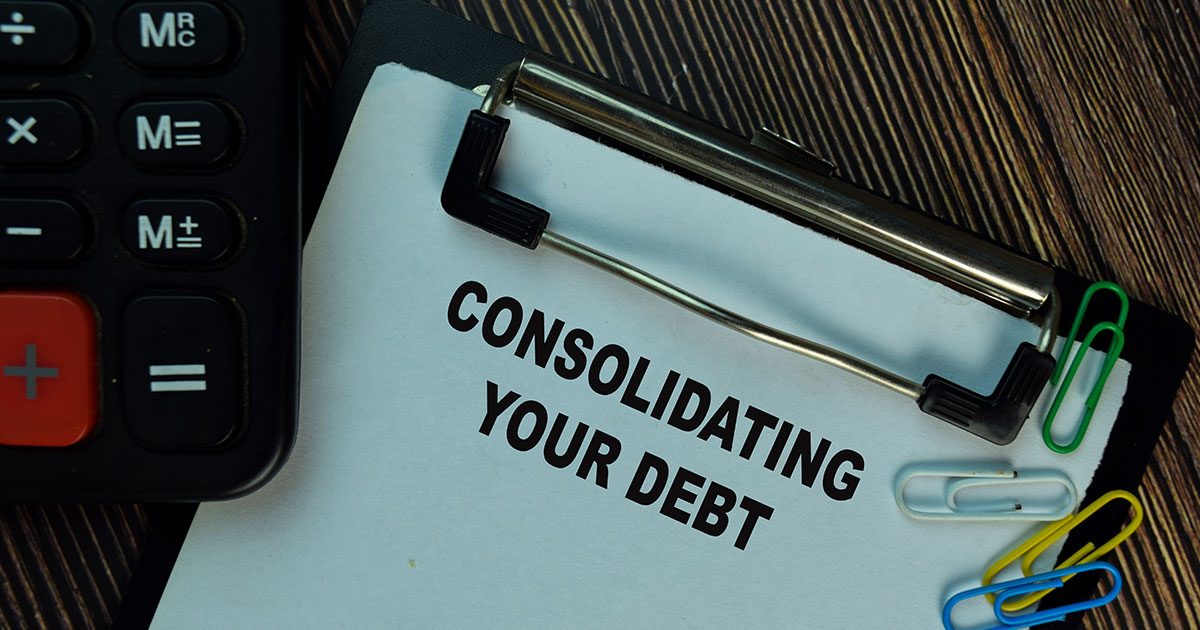
There are several debt consolidation options to consider, each with its advantages and disadvantages. From personal loans to balance transfer credit cards and home equity loans, each method offers different benefits. It’s important to understand the pros and cons of each option to make an informed decision. By exploring these options, you can choose the one that best fits your financial situation. The right consolidation method can make a significant difference in your debt repayment journey.
Personal Loans: Simplifying Your Debt Payments
A personal loan can be used to pay off multiple debts, consolidating them into a single monthly payment. These loans often have lower interest rates than credit cards, which can save you money over time. They also provide a fixed repayment schedule, making it easier to plan your budget. By consolidating with a personal loan, you can streamline your payments and potentially reduce your overall debt faster. It’s a straightforward way to bring multiple debts under one manageable payment plan.
Balance Transfer Credit Cards: Taking Advantage of Low-Interest Offers
Balance transfer credit cards offer low or zero interest rates for an introductory period. Transferring your high-interest debt to one of these cards can help you pay down the principal more quickly, but it’s important to pay off the balance before the introductory period ends. This option can be particularly effective if you have a solid plan to pay off the debt within the promotional period. It’s a strategic way to save on interest and reduce your debt more efficiently.
Home Equity Loans and HELOCs: Leveraging Your Home’s Value
If you own a home, you might consider a home equity loan or home equity line of credit (HELOC). These options allow you to borrow against the equity in your home, often at lower interest rates. However, they do put your home at risk if you’re unable to make payments. This method can be a powerful tool for debt consolidation but requires careful consideration. It’s about leveraging your assets wisely and ensuring you can meet the repayment terms.
Debt Management Plans: Working with Credit Counseling Agencies
A debt management plan, typically arranged through a credit counseling agency, consolidates your debts into a single payment. The agency works with your creditors to negotiate lower interest rates and fees, helping you pay off your debt more efficiently. This option provides structured support and can be a lifeline for those struggling to manage their debts. It’s about getting professional help to navigate your way out of debt. A debt management plan can offer a clear path to becoming debt-free with expert guidance.
Choosing the Right Debt Consolidation Strategy
Selecting the best debt consolidation strategy depends on several factors, including your financial situation and goals. Comparing interest rates, considering loan terms, evaluating fees, and assessing your ability to repay are all crucial steps. By carefully weighing these factors, you can choose a strategy that fits your needs and helps you achieve your financial goals. The right strategy can make all the difference in your journey toward debt freedom. It’s about making a well-informed decision that aligns with your financial circumstances.
Comparing Interest Rates: Finding the Best Deal
Shop around to compare interest rates on personal loans, balance transfer cards, and home equity loans. The goal is to find a consolidation option with a lower interest rate than your current debts. Lower interest rates can save you money and help you pay off your debt faster. Take the time to research and compare offers to get the best deal. It’s a critical step in ensuring your consolidation strategy is cost-effective and beneficial.
Considering Loan Terms: Short-Term vs. Long-Term Benefits
Short-term loans typically have higher monthly payments but lower total interest costs. Long-term loans have lower monthly payments but can cost more in interest over time. Consider your budget and financial goals when choosing loan terms. Finding the right balance between manageable payments and overall cost is key. It’s about understanding your financial capabilities and choosing terms that align with your goals.
Evaluating Fees and Costs: Avoiding Hidden Charges
Be aware of any fees associated with debt consolidation options. These can include origination fees for personal loans, balance transfer fees for credit cards, and closing costs for home equity loans. Make sure to factor these into your decision-making process. Hidden fees can add up and affect the overall cost of consolidation. It’s important to be thorough and understand all the potential costs involved.
Assessing Your Ability to Repay: Staying Realistic
Ensure that the consolidated payment fits within your budget. Overestimating your ability to repay can lead to further financial difficulties. It’s crucial to be honest with yourself about what you can afford. Staying realistic about your repayment capabilities will help you avoid future financial stress. It’s about creating a sustainable plan that you can stick to.
Implementing Your Debt Consolidation Plan
Once you’ve chosen a debt consolidation strategy, it’s time to implement your plan. This involves applying for loans, transferring balances, creating a repayment schedule, and monitoring your progress. Taking these steps ensures you stay on track and make consistent progress toward paying off your debt. Implementation is where your plan comes to life and starts making a real impact on your finances. It’s about putting your strategy into action and staying committed to your goals.
Applying for Loans: Tips for Success
When applying for a personal loan or home equity loan, have all your financial documents ready, including proof of income and a list of your debts. A strong application can improve your chances of approval. Being prepared and organized can make the process smoother and more efficient. It’s about making a compelling case to lenders and securing the best terms for your consolidation loan.
Transferring Balances: How to Do It Correctly
If using a balance transfer card, make sure to transfer your balances promptly and understand the terms of the introductory period. Aim to pay off the balance before the higher interest rate kicks in. Properly managing the transfer process is crucial for maximizing the benefits. It’s about being diligent and ensuring you take full advantage of the low-interest period.
Creating a Repayment Schedule: Staying on Track
Develop a repayment schedule that outlines your monthly payments. Stick to this schedule to ensure you’re making consistent progress toward paying off your debt. Having a clear plan helps you stay focused and disciplined. It’s about having a roadmap to guide your repayment efforts and keep you on track.
Monitoring Your Progress: Keeping an Eye on Your Financial Health
Regularly check your progress to ensure you’re on track with your repayment plan. Adjust your budget as needed to stay on course. Keeping an eye on your financial health helps you make timely adjustments. It’s about being proactive and responsive to any changes in your financial situation.
Maximizing the Benefits of Debt Consolidation
Debt consolidation can provide several benefits if managed correctly. It can reduce interest payments, lower monthly payments, simplify your finances, and improve your credit score over time. By staying committed to your repayment plan and avoiding new debt, you can maximize these benefits. The key is to stay focused on your financial goals and make informed decisions. It’s about making the most of your consolidation efforts to achieve lasting financial stability.
Reducing Interest Payments: Saving Money Over Time
By securing a lower interest rate, you can save money on interest payments over the life of your loan. This can make a significant difference in how quickly you can pay off your debt. Lower interest rates mean more of your payment goes toward the principal. It’s about minimizing the cost of your debt and accelerating your progress.
Lowering Monthly Payments: Increasing Your Cash Flow
Consolidating your debt can lower your monthly payments, freeing up cash for other expenses or savings. This can provide much-needed breathing room in your budget. Lower payments make it easier to manage your finances and avoid missed payments. It’s about creating a more manageable and less stressful financial situation.
Simplifying Finances: Managing One Payment Instead of Many
With just one monthly payment, you’ll find it easier to manage your finances and avoid missed payments. This simplification can reduce financial stress and help you stay organized. Managing a single payment streamlines your debt repayment process. It’s about making your financial life simpler and more manageable.
Improving Your Credit Score: Long-Term Financial Benefits
Consistently making on-time payments on your consolidated loan can improve your credit score over time. A better credit score opens up more financial opportunities and better loan terms. Improving your credit score is a significant long-term benefit of successful debt consolidation. It’s about building a strong financial foundation for the future.
Avoiding Common Pitfalls in Debt Consolidation
To maximize the benefits of debt consolidation, avoid these common pitfalls. Stay committed to your repayment plan, avoid accumulating new debt, and choose reputable lenders. Be aware of the impact of closing old credit accounts on your credit score. By steering clear of these mistakes, you can ensure a successful consolidation process. It’s about being mindful and making informed choices throughout your consolidation journey.
Avoiding New Debt: Staying Out of the Cycle
Resist the temptation to accumulate new debt while paying off your consolidated loan. Focus on reducing your existing debt first. Staying disciplined is key to successful debt consolidation. It’s about breaking the cycle of debt and focusing on repayment. Ensuring you don’t fall back into debt helps you maintain progress and achieve financial freedom.
Watching Out for Scams: Choosing Reputable Lenders
Be cautious of lenders that promise quick fixes or charge high fees. Research lenders and choose reputable companies. Protecting yourself from scams ensures you get fair and transparent terms. It’s about doing your due diligence and making sure you’re working with trustworthy lenders. Taking the time to research can save you from potential financial pitfalls.
Not Closing Old Accounts: Understanding the Impact on Credit
Keep your old credit accounts open, even after paying them off. Closing them can negatively impact your credit score. Maintaining your old accounts helps preserve your credit history. It’s about understanding how credit scores work and making strategic decisions. Keeping these accounts open can help maintain a healthy credit profile.
Staying Committed: Keeping Long-Term Financial Goals in Mind
Remain dedicated to your debt repayment plan and keep your long-term financial goals in focus. Consistency is key to achieving debt freedom. Staying committed helps you overcome challenges and stay on track. It’s about maintaining focus and perseverance in your financial journey. Keeping your goals in sight ensures you continue making progress.
Additional Resources and Support
Utilize these resources to help with your debt consolidation journey. Seek professional financial advice, use online tools and calculators, join support groups, and continue educating yourself about personal finance. These resources can provide valuable support and guidance. It’s about leveraging all available resources to make informed decisions. Staying informed and supported helps you navigate your way to financial stability.
Seeking Professional Financial Advice: When to Get Help
If you’re unsure about the best strategy, consider seeking advice from a financial advisor. They can provide personalized guidance based on your situation. Professional advice can be invaluable in making the right decisions. It’s about getting expert help when you need it. Having a financial advisor in your corner can make a significant difference.
Utilizing Online Tools and Calculators: Making Informed Decisions
Use online tools and calculators to compare consolidation options and understand their impact on your finances. These tools can help you make more informed decisions. Access to the right information empowers you to choose wisely. It’s about leveraging technology to assist your financial planning. Using these tools can provide clarity and confidence in your choices.
Joining Support Groups and Communities: Learning from Others
Join online forums or local support groups to connect with others who are also working to consolidate their debt. Sharing experiences and advice can be incredibly helpful. Support from others can provide motivation and insights. It’s about building a network of people who understand your journey. Learning from others’ experiences can offer valuable perspectives.
Continuing Education: Staying Informed About Financial Health
Keep educating yourself about personal finance and debt management to make informed decisions and stay on top of your financial health. Continuous learning ensures you stay informed and proactive. Staying educated helps you adapt to changes and make better choices. It’s about being committed to your financial well-being. Ongoing education empowers you to maintain and improve your financial health.
Conclusion: Taking Control of Your Financial Future

Debt consolidation is a powerful tool for managing and reducing your debt. By understanding your options, choosing the right strategy, and staying committed to your repayment plan, you can take control of your financial future and work towards lasting financial stability. It’s about making smart choices and staying dedicated to your goals. Taking control of your debt today sets you up for a brighter economic future. Your financial health is within your control, and with the right approach, you can achieve lasting stability.

Add comment