

 Mark Luigi Dacumos
Introduction: Covid Relief as a Lifeline for Small Businesses
The COVID-19 pandemic hit small businesses hard, creating unprecedented challenges. However, through a mix of government and community support, many have not only survived but thrived. This article explores the impact of Covid relief on small businesses, showcasing success stories and offering resources to help others navigate these turbulent times. Understanding how these programs work and learning from others’ experiences can provide valuable insights and hope for businesses still facing hardships. Let’s delve into how these lifelines have been utilized and the resources available to continue supporting small businesses.
The Pandemic’s Toll on Small Businesses
Small businesses faced severe disruptions during the pandemic, from mandatory closures to reduced customer traffic. These challenges threatened the livelihood of countless entrepreneurs and their employees. In response, a wave of government relief programs and community initiatives emerged to provide essential support. The uncertainty and sudden changes required businesses to quickly adapt, often with limited resources. Despite these obstacles, many small businesses have shown remarkable resilience, adapting to new ways of operating and continuing to serve their communities.
The Role of Government and Community Support
Government relief programs, combined with grassroots community efforts, provided a lifeline to small businesses. By offering financial aid and other resources, these programs helped businesses weather the storm and adapt to new realities. Community support, such as local grants and crowdfunding, also played a crucial role in keeping businesses afloat. This combination of government and community efforts demonstrates the power of collective action in times of crisis. Many businesses were able to use this support to innovate and pivot their operations, ensuring their survival and future growth.
Government Relief Programs: Providing a Safety Net
Overview of Key Covid Relief Programs for Small Businesses
Several key government programs played a crucial role in supporting small businesses during the pandemic. Here are some of the most impactful ones:
- Paycheck Protection Program (PPP): Designed to help businesses keep their workforce employed during the pandemic, this program offered forgivable loans for payroll and other essential expenses.
- Economic Injury Disaster Loans (EIDL): Provided long-term, low-interest loans to help businesses overcome temporary loss of revenue.
- Employee Retention Tax Credit (ERTC): Offered a refundable tax credit to encourage businesses to keep employees on their payroll. These programs provided much-needed financial relief, allowing businesses to maintain operations and retain employees during difficult times.
How to Apply and Qualify for Government Assistance
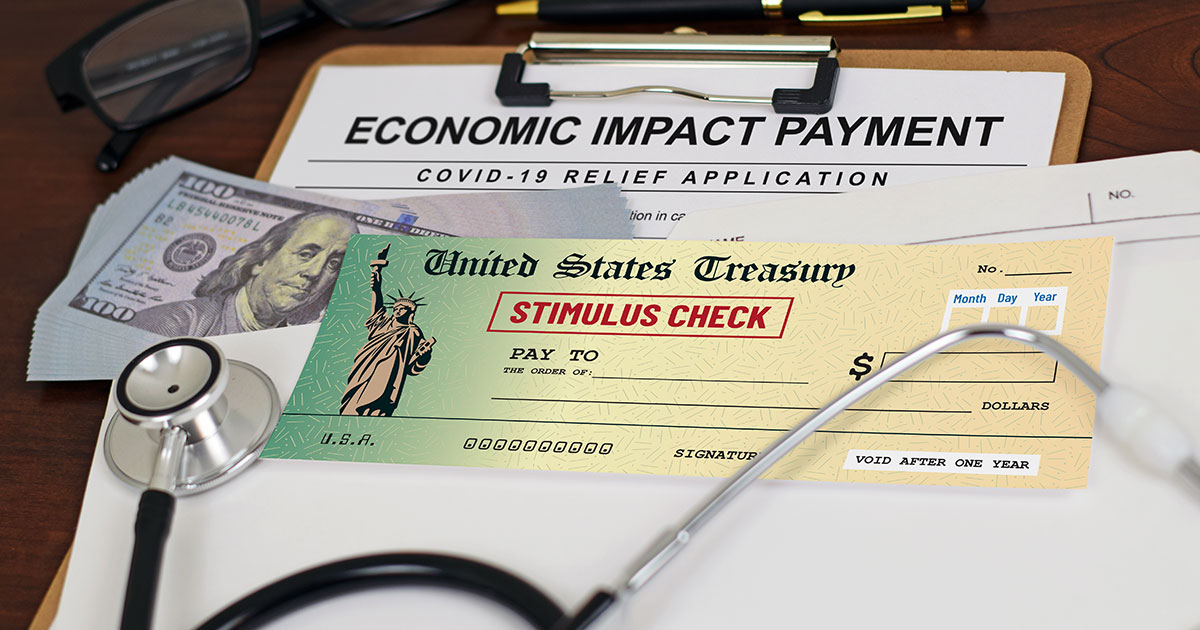
Applying for these programs can seem complex, but following a clear step-by-step guide simplifies the process.
- Step-by-Step Guide to PPP and EIDL Applications:
- Gather Necessary Documentation: Ensure you have all required documents, such as payroll records and tax filings.
- Understand Eligibility Requirements: Each program has specific criteria, so review these carefully.
- Complete the Application: Follow instructions meticulously to avoid delays or rejections.
- Submit and Follow Up: Submit your application and track its status regularly.
- Understanding Eligibility Requirements and Documentation: Eligibility varies by program, but common requirements include demonstrating economic injury due to the pandemic and maintaining certain employment levels.
Navigating Changes and Extensions in Relief Programs
Relief programs have undergone numerous updates. Staying informed about these changes is crucial for maximizing available support. Legislation related to COVID relief has evolved, offering new opportunities and extending existing ones. Staying current with these updates ensures that businesses can continue to benefit from available aid. Regularly check official sources, like the Small Business Administration (SBA), for the latest information. Joining webinars and workshops can also help business owners stay informed and adapt to these changes effectively.
Success Stories: Small Businesses Thriving with Covid Relief
Inspiring Turnaround Stories: Businesses That Bounced Back
Government relief programs have facilitated numerous success stories. Here are a couple of inspiring examples:
- Case Study: A Local Bakery’s Revival Through PPP Loans: A small bakery struggling with reduced foot traffic used a PPP loan to cover payroll and rent. This financial breathing room allowed the bakery to focus on creating a robust online presence and expanding its delivery services, leading to a significant increase in sales.
- From Struggle to Success: How a Retail Store Utilized EIDL Funds: A family-owned retail store faced closure due to a dramatic drop in in-store sales. With the help of an EIDL loan, they invested in a user-friendly e-commerce platform, attracting customers from across the country and transforming their business model.
Innovative Adaptations and Pivots During the Pandemic
- Creative Solutions: Restaurants Shifting to Takeout and Delivery: Many restaurants pivoted to takeout and delivery models, using relief funds to set up efficient systems and promote these new services. These adaptations not only kept businesses afloat but also attracted new customers.
- Digital Transformation: How E-commerce Saved Small Businesses: Retailers that moved online saw significant benefits. Establishing e-commerce sites and leveraging social media marketing became key strategies for survival, allowing businesses to reach a wider audience and increase sales.
Community Support and Collaboration: Strength in Unity
Local Initiatives: Community-Funded Relief Efforts
Community-driven initiatives played a vital role in supporting local businesses. Crowdfunding campaigns and local grants helped many businesses stay afloat. These efforts demonstrated the power of community solidarity in times of crisis. Local businesses and residents came together to provide financial support and resources, showcasing the strength of collective action.
Peer Networks: Businesses Helping Each Other Survive and Thrive
Small business owners banded together, sharing resources, advice, and support, proving that collaboration can lead to collective resilience. Peer networks offered a platform for sharing best practices, strategies, and emotional support. This sense of camaraderie and mutual assistance has been instrumental in helping many businesses navigate challenges and emerge stronger.
Additional Resources and Support for Small Businesses
Navigating Non-Governmental Relief Options
Besides government aid, other sources of support include:
- Grants and Loans from Private Organizations: Private entities like LISC Small Business Relief Grants and Facebook Small Business Grants offer financial assistance. These programs provide alternative funding sources for businesses in need.
- Non-Profit and Community-Based Support Programs: Non-profits like Score provide free mentoring and educational resources to help small businesses succeed. These organizations offer valuable guidance and support to help businesses navigate challenges and grow.
Building Resilience: Long-Term Strategies for Small Business Survival
- Financial Planning and Cash Flow Management: Effective financial planning is essential for long-term resilience. Businesses should focus on maintaining healthy cash flow and preparing for future uncertainties. Regularly reviewing financial statements and forecasts can help identify potential issues early.
- Diversifying Revenue Streams and Adopting Technology: Exploring new revenue streams and adopting technology can enhance business stability. This might include offering new products or services or leveraging digital tools to streamline operations. Diversification and innovation can help businesses remain competitive and resilient in the face of future challenges.
Where to Find Ongoing Support and Information
Key Websites and Online Platforms for Small Business Resources
- Small Business Administration (SBA)
- National Federation of Independent Business (NFIB)
- U.S. Chamber of Commerce
Local Business Development Centers and Chambers of Commerce
Local resources such as business development centers and chambers of commerce offer tailored support and networking opportunities.
Conclusion: Moving Forward with Confidence

Reflecting on the impact of Covid relief, it’s clear that these programs have been crucial for many small businesses. The lessons learned highlight the importance of flexibility, innovation, and community support.
Encouraging Continued Adaptation and Innovation
Businesses must continue to adapt and innovate to thrive in a post-pandemic world.
Looking Ahead: Preparing for Future Challenges and Opportunities
By staying informed and embracing change, small businesses can face future challenges with confidence and seize new opportunities as they arise.
For further reading and resources, visit the following helpful links:


Add comment