

 Mark Luigi Dacumos
Introduction: Understanding the Landscape of Covid Relief in 2025
As we progress through 2025, the shadow of Covid-19 continues to influence communities around the world. The ongoing impact of the pandemic has led to the adaptation and expansion of relief programs to address evolving needs. This guide provides practical advice to help you understand the latest updates and effectively access COVID-19 relief programs. Staying informed about these changes is crucial to managing the challenges brought by the pandemic.
The Continued Impact of Covid-19 on Communities
Covid-19 has significantly changed our lives, affecting how we live and work. Even in 2025, many individuals and families are dealing with economic hardships, healthcare needs, and other pandemic-related issues. Being aware of available relief options can help manage these ongoing impacts. Understanding the various programs can make a significant difference in navigating these challenging times.
The Evolution of Covid Relief Programs: What’s New for 2025
Since the pandemic began, relief programs have evolved to address new challenges. In 2025, updates include expanded eligibility criteria, streamlined application processes, and increased funding for various support initiatives. Staying updated on these changes is essential for accessing the help you need. Knowing what’s new can help you take advantage of the available resources and support systems.
Why Staying Informed Matters
COVID relief programs are constantly changing, with frequent updates and modifications. Staying informed ensures you can take full advantage of available resources. Regularly checking reliable sources and staying engaged with community networks can help you keep up with these updates. Being well-informed can significantly enhance your ability to access needed support.
Federal Covid Relief Programs: An Overview
Key Federal Relief Programs Available in 2025
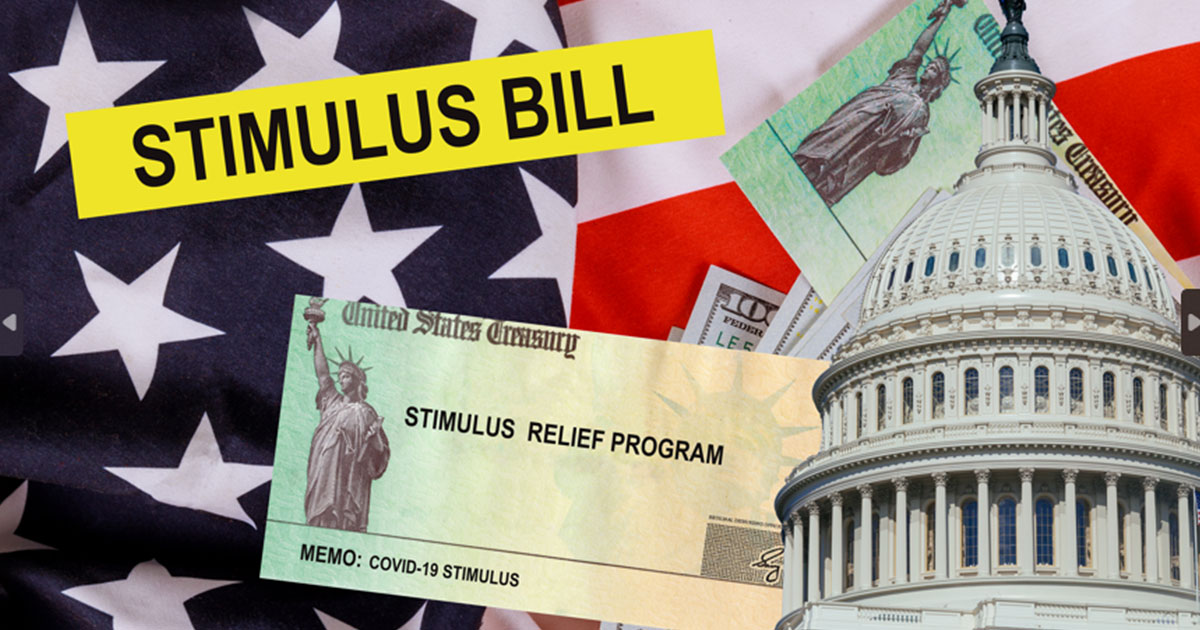
The federal government continues to provide a range of relief programs to support those affected by the pandemic. These include direct stimulus payments, extended unemployment benefits, and various tax relief measures. Key programs for 2025 include additional stimulus payments based on income levels and family size, extended unemployment benefits for those still impacted by job losses, and tax credits to reduce financial burdens.
How to Qualify for Federal Covid Relief
Eligibility for federal programs can vary based on factors such as income, employment status, and family size. It’s important to review the specific requirements for each program to determine your eligibility. Understanding these criteria can help you access the support you need.
Application Process: Tips and Tricks for Success
Applying for federal relief can be straightforward if you follow a few key tips. Gather all necessary documentation beforehand, double-check your application for accuracy, and submit your applications as early as possible to avoid delays. These steps can help ensure a smooth application process.
State and Local COVID Relief Initiatives
Understanding State-Specific Relief Programs
Each state offers unique relief programs tailored to the needs of its residents. These may include additional unemployment benefits, rental assistance, and small business grants. Researching your state’s specific programs is a good starting point for finding the support you need.
Finding Local Resources: City and County Support Services
Local governments often provide supplementary relief programs such as food assistance, utility relief, and housing support. Checking your city or county’s official website can provide detailed information on available services. These local resources can offer significant help in times of need.
Case Studies: Successful State and Local Relief Efforts
States like California and New York have implemented successful relief programs, offering substantial support to their residents. These efforts include comprehensive rental assistance programs and significant funding for small businesses. These case studies demonstrate the effectiveness of localized support in helping communities thrive.
Financial Assistance: Helping Individuals and Families Stay Afloat
Stimulus Payments: What to Expect in 2025
Stimulus payments have been a crucial lifeline for many during the pandemic. In 2025, additional payments may be issued, particularly for families with lower incomes. Keeping an eye on government announcements can help you stay updated on new payments and understand how they might benefit you.
Unemployment Benefits: Updates and Extensions
Unemployment benefits continue to be extended to support those who have lost their jobs due to the pandemic. Additional programs may also be available for those who have exhausted their regular benefits. Checking with your state’s unemployment office can provide the latest information on these extensions and additional support programs.
Tax Relief Measures: Credits and Deductions You Can Claim
Tax credits and deductions, such as the Earned Income Tax Credit (EITC) and Child Tax Credit, have been expanded to provide financial relief. These measures can significantly reduce your tax liability and increase your refund, offering much-needed support during these challenging times.
Small Business Support: Keeping Local Economies Alive
Small Business Administration (SBA) Programs for 2025
The SBA continues to offer vital programs like the Paycheck Protection Program (PPP) and Economic Injury Disaster Loans (EIDL). These programs provide essential funding to help small businesses maintain payroll and cover other expenses. Utilizing these resources can be crucial for the survival and growth of small businesses.
Grants and Loans: How to Access Essential Funding
Accessing grants and loans requires thorough preparation. Ensure your business documentation is up-to-date and apply as soon as funding windows open. Utilizing local Small Business Development Centers (SBDCs) can also provide valuable assistance in navigating the application process.
Success Stories: Small Businesses Thriving with Covid Relief
Many small businesses have thrived thanks to relief programs. For example, a local bakery in Michigan used PPP loans to keep its staff employed and expand its delivery services. This success story showcases how targeted support can drive resilience and growth for small businesses.
Housing Assistance: Keeping a Roof Over Your Head
Rental Assistance Programs: Federal and State Options
Rental assistance programs are available to help cover rent and utility costs. Both federal and state programs offer significant aid to renters struggling to make ends meet. Understanding and accessing these programs can provide vital support for maintaining stable housing.
Mortgage Relief: Forbearance and Modification Programs
For homeowners, mortgage forbearance and modification programs provide relief by allowing temporary payment suspensions or adjusting loan terms. Contacting your mortgage servicer to explore these options can help alleviate financial pressure.
Preventing Eviction: Legal Rights and Resources
Eviction prevention measures, including legal assistance and emergency rental aid, are in place to protect tenants. Understanding your rights and seeking legal support can help prevent wrongful eviction and ensure you have the necessary resources to stay in your home.
Healthcare Support: Ensuring Access and Affordability
Covid Testing and Vaccination Programs: Availability and Coverage
Free COVID testing and vaccination programs continue to be available in 2025. Ensuring that you and your family are tested and vaccinated is crucial for maintaining health and safety. Staying updated on local availability can help you access these essential services.
Expanded Medicaid and Medicare Benefits
Medicaid and Medicare benefits have been expanded to cover more services, including telehealth and mental health care. Checking with your provider for details on these expanded services can help you make the most of your healthcare options.
Mental Health Resources: Coping with Pandemic Stress
Mental health resources, such as counseling and support groups, are more accessible than ever. Many organizations offer free or low-cost services to help individuals cope with pandemic-related stress. Utilizing these resources can provide vital support for maintaining mental well-being.
Food Assistance: Combating Hunger During the Pandemic
SNAP Benefits: Eligibility and Application Process
The Supplemental Nutrition Assistance Program (SNAP) provides food assistance to eligible individuals and families. The application process is straightforward, with benefits based on income and family size. Understanding how to apply can help ensure you receive the support you need.
Food Banks and Pantries: Locating Local Support
Local food banks and pantries offer essential support to those in need. Websites like Feeding America can help you locate nearby resources. Accessing these services can provide vital assistance in times of need.
School Meal Programs: Ensuring Children Don’t Go Hungry
School meal programs ensure that children receive nutritious meals even when schools are closed. Checking with your local school district for information on meal distribution sites can help ensure your children continue to have access to healthy food.
Navigating the Application Process: Tips for Success
Gathering Necessary Documentation
Having all required documents ready, such as identification, income statements, and proof of residency, will streamline your application process. Ensuring you have everything you need beforehand can help make the process smoother.
Completing Applications Accurately and Timely
Accuracy and timeliness are crucial when applying for relief. Double-checking your information and submitting applications as soon as possible can help avoid delays and ensure you receive the support you need.
Where to Get Help: Assistance and Advocacy Organizations
Organizations like the United Way and local nonprofits offer assistance with applications and provide advocacy services. Reaching out for help can make the application process easier and increase your chances of receiving support.
Staying Updated: Keeping Informed on Changes and Updates
Reliable Sources for COVID Relief Information
Websites like the CDC, FEMA, and USA.gov provide reliable information on Covid relief programs. Checking these sources regularly can help you stay informed about the latest updates and changes.
Signing Up for Alerts and Newsletters
Subscribing to alerts and newsletters from trusted sources can help you receive the latest updates on relief programs directly in your inbox. Staying subscribed ensures you won’t miss important information.
Engaging with Community Support Networks
Joining community groups and forums can provide valuable insights and support. Engaging with your community can help you stay informed and connected, making it easier to access needed resources.
Conclusion: Empowering Yourself with Covid Relief Knowledge

The Importance of Persistence and Advocacy
Persistence is key in accessing COVID relief. Advocating for yourself and others ensures that everyone receives the support they need. Staying determined can make a significant difference in securing assistance.
Encouraging Others to Seek Support
Sharing information with friends and family can help them access relief programs. Encouragement and shared knowledge can make a significant difference in helping others navigate these challenging times.
Looking Ahead: Future Relief Efforts and Long-Term Solutions
While immediate relief is essential, long-term solutions will provide lasting stability. Staying engaged and informed can help you benefit from future programs and initiatives. Looking ahead ensures you’re prepared for continued support and opportunities.


Add comment