
 Mark Luigi Dacumos
Food help can feel confusing because every program has its own rules.
SNAP has an EBT card. WIC has approved foods. Food banks have hours that change. School meals have forms. Summer meals have sites. It can feel like you need a personal assistant just to keep everyone fed.
But once you understand each program’s “job,” it gets easier.
SNAP Is The Flexible Grocery Helper
SNAP is usually the most flexible food benefit.
You can use it for many grocery foods, including produce, meat, dairy, bread, cereal, snacks, non-alcoholic drinks, and food-producing seeds or plants.
This makes SNAP useful for the main grocery list: meals, snacks, ingredients, and household food basics.
Best use: the food your household chooses and cooks.
WIC Is The Nutrition Support For Early Years

WIC is different. It is for pregnant, postpartum, and breastfeeding people, infants, and children up to age 5 who meet program rules.
WIC usually covers specific foods, depending on the package. That may include items like milk, eggs, cereal, whole grains, fruits, vegetables, beans, peanut butter, baby food, or formula.
Best use: protecting baby, toddler, and pregnancy-related nutrition needs.
Food Banks Fill The Gaps
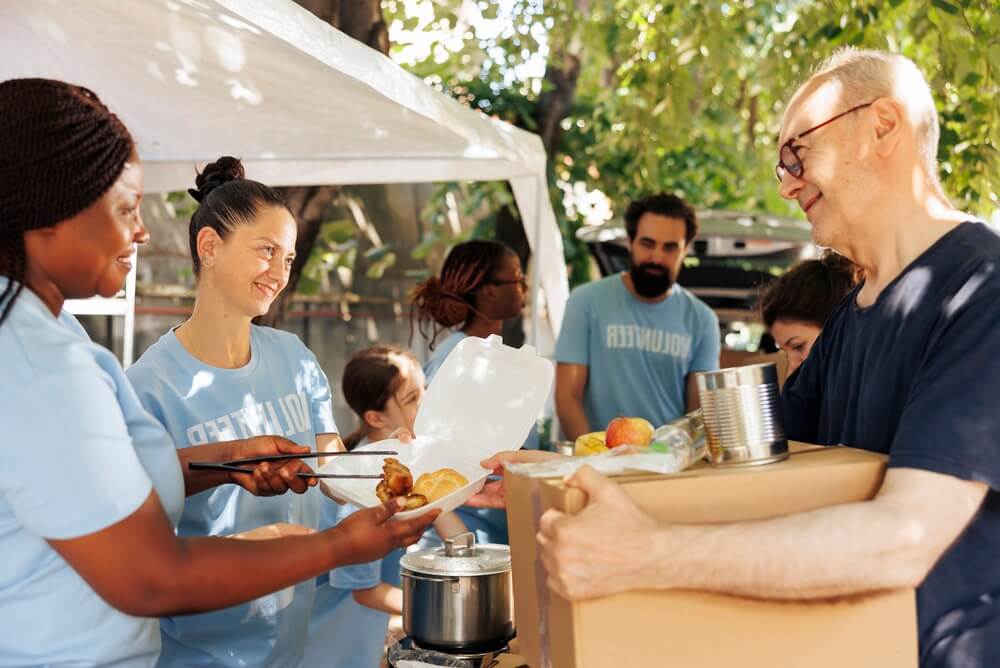
Food banks and pantries are not the same as SNAP or WIC. They usually provide food directly, often through pantry boxes, mobile distributions, meal sites, or local partner agencies.
The food may vary. One week might include produce and bread. Another week may be mostly canned goods and pasta.
Best use: stretching the month, covering emergency gaps, and saving SNAP for items the pantry does not provide.
School Meals Can Carry Weekdays
If children are in school, free or reduced-price meals can lower the grocery load at home.
Breakfast and lunch at school can make a real difference. During summer, approved meal sites may also provide free meals for children and teens 18 and under.
Best use: weekday support for kids so the home grocery budget goes further.
Use Them Together, Not One At A Time
Here is a simple way to think about it:
- SNAP: Main groceries
- WIC: Early childhood and pregnancy nutrition
- Food banks: Emergency and gap support
- School meals: Kid meals during the school week
- Summer meals: Food support when school is out
You are not “double dipping” by using programs you qualify for. You are building a food safety net.
Keep A Food Help List On Your Phone
Make a note with:
- SNAP office number
- WIC clinic
- Local food bank
- Pantry hours
- School meal contact
- 211
- Any mobile pantry schedule
When food stress hits, you do not want to start from zero.
Bottom Line
SNAP, WIC, food banks, and school meals are stronger together.
Each one solves a different part of the grocery problem. Use the help that fits your household, keep the contacts handy, and do not wait until the fridge is empty to reach out.


Add comment