
 Mark Luigi Dacumos
SNAP can feel like relief and pressure at the same time.
Relief because groceries are finally a little more possible. Pressure because you know the balance has to last. One rushed trip, one cart full of random stuff, and suddenly week three starts looking rough.
The goal is not to shop perfectly. Nobody does. The goal is to make the card work harder for you.
Build Meals Before You Build The Cart
A full cart is not always a useful cart.
Before shopping, pick a few simple meals your household will actually eat. Not fantasy meal-prep meals. Real ones.
Think:
- Breakfast: Oatmeal, eggs, cereal, toast
- Lunch: Sandwiches, leftovers, rice bowls
- Dinner: Pasta, tacos, soup, chicken and rice
- Snacks: Fruit, yogurt, peanut butter, crackers
Once you know the meals, the list gets easier.
Buy The Foods That Do More Than One Job
Some foods stretch because they can show up in different ways all week.
Eggs can be breakfast, fried rice, sandwiches, or dinner. Tortillas can become wraps, quesadillas, tacos, or mini pizzas. Rice can sit under almost anything and turn leftovers into a meal.
Good stretch foods may include:
- Rice
- Pasta
- Beans
- Eggs
- Oats
- Potatoes
- Tortillas
- Peanut butter
- Frozen vegetables
- Canned tomatoes
- Chicken thighs
- Tuna
- Bananas
- Apples
These are not glamorous foods. They are “we can make something out of this” foods.
Know What SNAP Can Buy
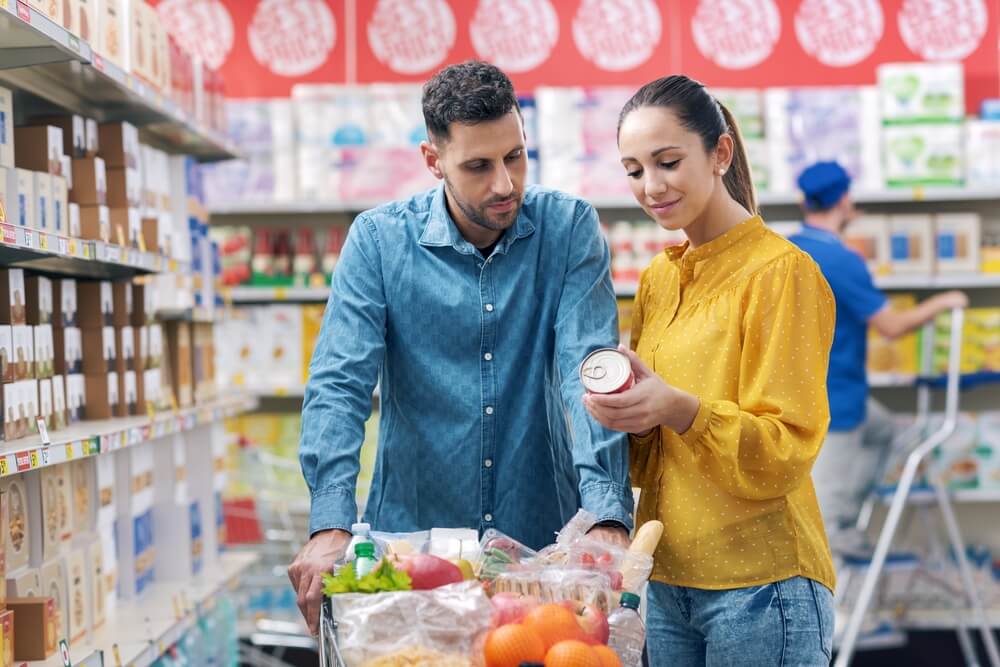
SNAP covers many grocery foods, including fruits, vegetables, meat, poultry, fish, dairy, breads, cereals, snack foods, non-alcoholic drinks, and seeds or plants that grow food.
It generally does not cover hot prepared foods, alcohol, tobacco, vitamins, medicine, supplements, pet food, cleaning supplies, paper products, hygiene items, or cosmetics.
A quick store trick: if something has a Supplement Facts label, it is usually not SNAP-eligible. If it has a Nutrition Facts label, it may be treated as food.
Keep A Week-Three Backup Plan

The middle of the month is where good intentions go to fight for their life.
Plan for it early.
Maybe week one is your bigger grocery trip. Week two is milk, bread, eggs, and fruit. Week three is pantry meals. Week four is food pantry support plus whatever is left.
That is not failure. That is strategy.
Use Food Banks Before The Cabinet Is Empty
Food banks and pantries are not only for the final emergency meal. They can help your SNAP last longer.
If a pantry provides pasta, canned goods, bread, produce, or frozen items, you can use your SNAP balance for the items it does not provide.
Search by ZIP code through Feeding America or call 211 to find local food help.
Bottom Line
SNAP is not just about buying food. It is about buying yourself breathing room.
Build meals first, choose foods that stretch, know what EBT can cover, and use food pantries before the balance hits zero. A little planning can turn one card into a steadier month.



Add comment