
 Mark Luigi Dacumos
Life is unpredictable. From sudden medical emergencies to unexpected job losses, having a plan in place can make all the difference. Here’s how to prepare for the unexpected and build a safety net with emergency assistance.
Understanding Emergency Assistance: Your Lifeline in Crisis
Emergencies come in all shapes and sizes, and they often strike without warning. Emergency assistance programs are designed to provide immediate help during these times. Whether it’s financial support, food aid, or temporary housing, these programs are a vital lifeline. Understanding how they work and how to access them can provide peace of mind and security. These programs are often accessible through federal, state, and local governments, as well as private organizations. Knowing which resources are available can help you respond more effectively when a crisis hits.
Financial Assistance: Easing the Burden of Unexpected Expenses
When faced with an emergency, unexpected expenses can quickly add up, creating a significant burden. Fortunately, there are several financial assistance programs available to help cover these costs. Federal programs, such as those offered by FEMA, provide critical support for individuals affected by major disasters. Temporary Assistance for Needy Families (TANF) offers temporary financial aid to help families in need get back on their feet. Additionally, many local nonprofits and charities provide emergency financial aid, offering a safety net when you need it most. Reaching out to these resources can significantly ease the financial strain during tough times.
- Federal Emergency Management Agency (FEMA): FEMA provides financial aid for individuals affected by major disasters. This can include help with housing, medical expenses, and other essential needs. Learn more about FEMA.
- Temporary Assistance for Needy Families (TANF): TANF offers temporary financial assistance to families in need, helping them get back on their feet. Explore TANF benefits.
- Local Nonprofits and Charities: Many local organizations offer emergency financial aid. Reach out to community centers, religious organizations, and charitable groups for support.
Food Assistance: Ensuring No One Goes Hungry
In a crisis, putting food on the table can become a struggle, making food assistance programs essential. These programs are dedicated to ensuring that you and your family do not go hungry during difficult times. The Supplemental Nutrition Assistance Program (SNAP) provides food-purchasing assistance to low-income individuals and families, ensuring access to nutritious food. Local food banks, supported by businesses and organizations, offer free food to those in need, providing a crucial resource during emergencies. School meal programs also play a vital role by offering free or reduced-price meals to children, helping families manage during tough times.
- Supplemental Nutrition Assistance Program (SNAP): SNAP provides food-purchasing assistance to low-income individuals and families. This program ensures that everyone has access to nutritious food. Apply for SNAP.
- Local Food Banks: Food banks distribute free food to those in need. They often partner with local businesses and organizations to provide a wide range of nutritious options. Use food bank locators online to find one near you.
- School Meal Programs: For families with children, many schools offer free or reduced-price meals. This can be a huge relief during tough times.
Housing Assistance: Finding a Safe Place to Stay
Losing your home or facing the threat of eviction is incredibly stressful. Thankfully, various housing assistance programs can provide temporary or permanent solutions. The Department of Housing and Urban Development (HUD) offers several programs to help individuals and families find safe, affordable housing, including rental assistance and public housing options. Emergency Solutions Grants (ESG) provide funding to help individuals and families regain stability in permanent housing after experiencing a housing crisis. Local shelters and transitional housing programs also provide immediate housing solutions, offering support and stability during emergencies.
- Department of Housing and Urban Development (HUD): HUD offers several programs to help individuals and families find safe, affordable housing. This includes rental assistance and public housing options. Discover HUD housing programs.
- Emergency Solutions Grants (ESG): ESG provides funding to help individuals and families quickly regain stability in permanent housing after experiencing a housing crisis. Learn about ESG.
- Local Shelters and Transitional Housing: Many communities have shelters and transitional housing programs to provide immediate housing solutions. Contact local social services for more information.
Medical Assistance: Accessing Health Care When You Need It Most
Medical emergencies can be overwhelming, both emotionally and financially. Accessing medical assistance during these times can help alleviate some of the burdens, ensuring you receive the necessary care. Medicaid provides free or low-cost health coverage to millions of Americans, including low-income adults, children, pregnant women, elderly adults, and people with disabilities. The Children’s Health Insurance Program (CHIP) offers low-cost health coverage to children in families that earn too much to qualify for Medicaid. Additionally, many communities have local clinics and health services that provide free or low-cost medical, dental, and mental health services.
- Medicaid: Medicaid provides free or low-cost health coverage to millions of Americans, including low-income adults, children, pregnant women, elderly adults, and people with disabilities. Check Medicaid eligibility.
- Children’s Health Insurance Program (CHIP): CHIP provides low-cost health coverage to children in families that earn too much to qualify for Medicaid. Find CHIP services.
- Local Clinics and Health Services: Many communities offer free or low-cost clinics that provide medical, dental, and mental health services. Reach out to local health departments or use online resources to find nearby clinics.
Emotional Support: Taking Care of Your Mental Health
During emergencies, mental health can suffer significantly, making it essential to seek emotional support and take care of your mental well-being. The National Suicide Prevention Lifeline provides free and confidential support for people in distress, offering prevention and crisis resources. The Substance Abuse and Mental Health Services Administration (SAMHSA) offers resources for individuals facing mental health or substance use issues, providing guidance and support. Local support groups and counseling services also play a crucial role, offering a sense of community and professional help during tough times.
- National Suicide Prevention Lifeline: This lifeline provides free and confidential support for people in distress, as well as prevention and crisis resources. Call
1- 800-273-8255 or visit the website. - Substance Abuse and Mental Health Services Administration (SAMHSA): SAMHSA offers resources for individuals facing mental health or substance use issues. Explore SAMHSA resources.
- Local Support Groups and Counseling Services: Many communities have support groups and counseling services available. Check with local hospitals, community centers, or religious organizations for more information.
Creating a Personal Emergency Plan: Steps to Take Today

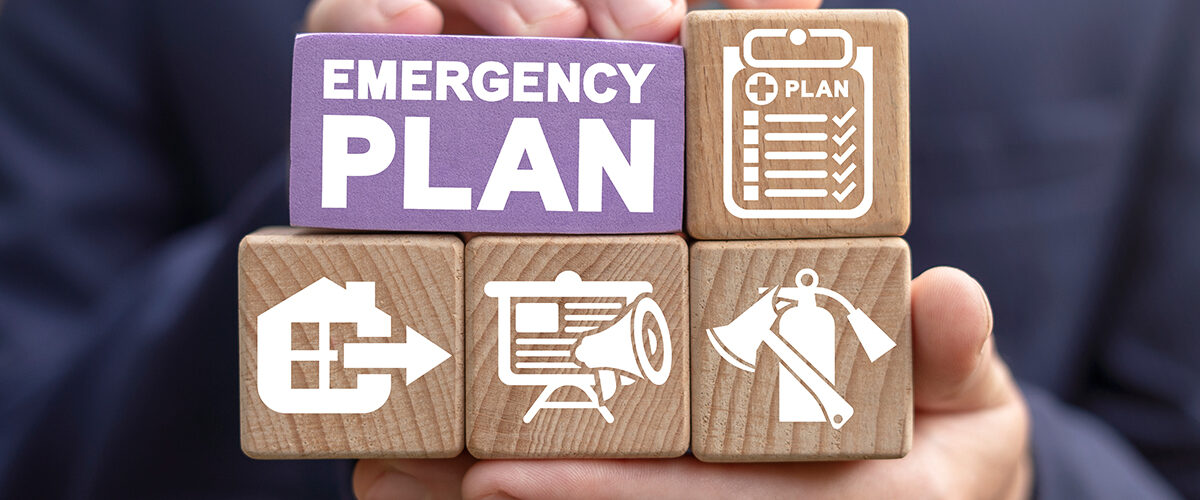
Preparing for the unexpected involves more than knowing where to find assistance. Creating a personal emergency plan can help you stay organized and calm during a crisis. Start by building an emergency fund, aiming to save three to six months’ worth of living expenses to provide a financial cushion. Compile important documents like identification, medical records, and insurance information in a safe and easily accessible place. Develop a communication plan to ensure all family members know how to contact each other during an emergency, and designate a meeting place if you get separated. Additionally, learning basic first aid can be incredibly helpful during medical emergencies, so consider taking a course from a local organization like the Red Cross.
Useful Links to Emergency Assistance Programs
- Federal Emergency Management Agency (FEMA): Learn more about FEMA
- Temporary Assistance for Needy Families (TANF): Explore TANF benefits
- Supplemental Nutrition Assistance Program (SNAP): Apply for SNAP
- Department of Housing and Urban Development (HUD): Discover HUD housing programs
- Emergency Solutions Grants (ESG): Learn about ESG
- Medicaid: Check Medicaid eligibility
- Children’s Health Insurance Program (CHIP): Find CHIP services
- National Suicide Prevention Lifeline: Visit the website
- Substance Abuse and Mental Health Services Administration (SAMHSA): Explore SAMHSA resources
Conclusion

Emergencies are an inevitable part of life, but being prepared can make them less overwhelming. By understanding and accessing emergency assistance programs, you can build a robust safety net. Remember, you’re not alone—there are numerous resources and organizations ready to help you through tough times. Take the steps today to ensure you and your loved ones are protected and supported, no matter what life throws your way.


Add comment