

 Mark Luigi Dacumos
Understanding the Need for Emergency Financial Assistance
Life can throw unexpected challenges our way, and when those challenges involve financial strain, it can feel overwhelming. From sudden medical bills to job loss or natural disasters, emergencies don’t wait for a convenient time. Financial emergencies are stressful, and they can quickly escalate if not addressed promptly. Knowing what steps to take and where to find help can make a world of difference. Let’s dive into the options and resources available to help you manage financial crises effectively, ensuring you’re well-prepared to handle whatever comes your way.
Identifying the Types of Financial Emergencies
Financial emergencies come in many forms. Understanding the nature of your crisis can help you determine the best course of action. Here are a few common scenarios:
- Job Loss: Losing a job can be a significant blow, especially if you were the primary breadwinner. Immediate steps should include applying for unemployment benefits and exploring job retraining programs. Seek support from family and friends, and start looking for new job opportunities as soon as possible.
- Medical Emergencies: Unexpected medical bills can quickly deplete savings. Look into medical bill assistance programs and negotiate payment plans with healthcare providers. Also, consider applying for Medicaid or other health insurance programs that can help cover future medical expenses.
- Natural Disasters: Events like hurricanes, floods, or wildfires can destroy homes and disrupt lives. Emergency grants and loans from FEMA and other agencies can provide immediate relief. Additionally, local community resources often mobilize to offer support in these situations.
- Sudden Major Expenses: Car repairs, home repairs, or other large unexpected expenses can disrupt your budget. Short-term loans and community assistance programs can help bridge the gap. Planning ahead by having an emergency fund can also be a lifesaver in such situations.

Immediate Steps to Take When a Crisis Hits
When a financial emergency strikes, quick action is crucial. Here’s what you can do immediately:
- Assess Your Situation: Take a deep breath and assess the full extent of the financial impact. Make a list of immediate needs and prioritize them. Understanding the full scope of the situation helps in making informed decisions.
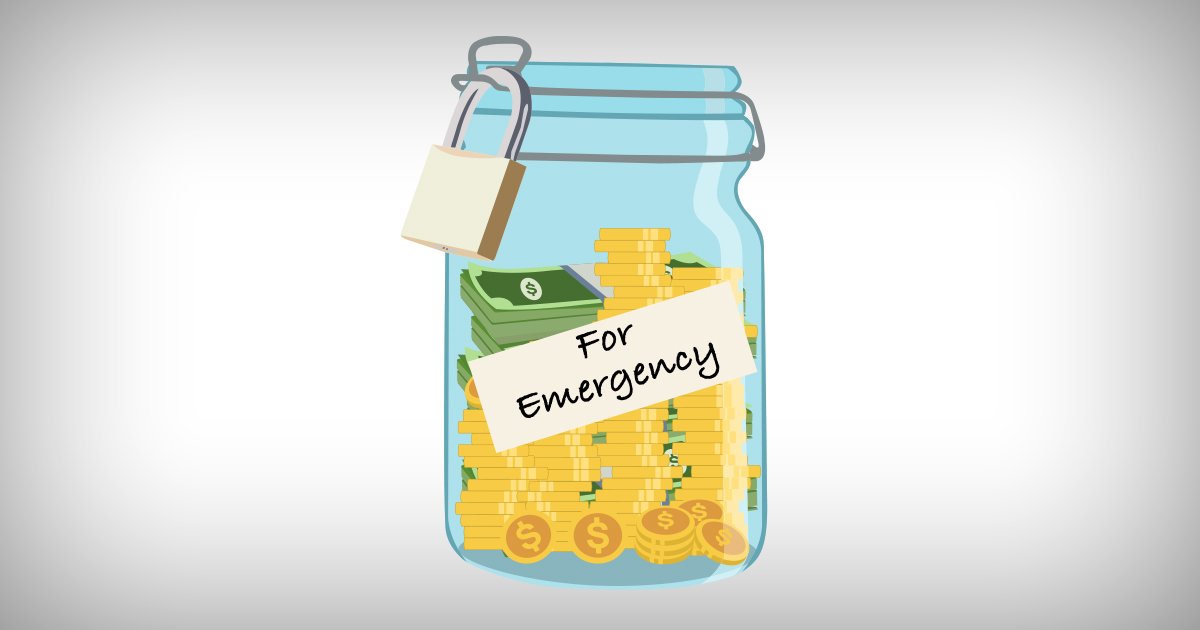
- Access Emergency Savings: If you have an emergency fund, now is the time to use it. These savings are designed to help you through crises without going into debt. If you don’t have an emergency fund, consider liquidating non-essential assets.
- Communicate with Creditors: Don’t hesitate to reach out to creditors and explain your situation. Many companies offer hardship programs, which can include deferred payments or reduced interest rates. Open communication can prevent further financial complications.
Government Programs and Resources for Immediate Help
Several government programs are designed to provide quick financial relief in times of crisis. These programs can help cover essential needs like food, housing, and medical care.
- Temporary Assistance for Needy Families (TANF): TANF offers financial assistance to low-income families with children. It helps cover basic needs such as food, clothing, and shelter. You can find more information and apply through your state’s TANF office.
- Supplemental Nutrition Assistance Program (SNAP): Formerly known as food stamps, SNAP provides funds to help low-income individuals and families buy food. Visit the SNAP website to check your eligibility and apply.
- Emergency Rental Assistance Program (ERAP): ERAP helps renters who are unable to pay their rent or utilities due to the pandemic. It can cover past due, current, and up to three months of expected rent and utilities costs. Check out the U.S. Department of the Treasury website for more details.
- Medicaid and Children’s Health Insurance Program (CHIP): These programs provide free or low-cost health coverage to low-income individuals and families. Eligibility varies by state, so visit HealthCare.gov to find out more.
Local Community Resources and Charities
In addition to government programs, many local community resources and charities offer immediate financial help during crises. These organizations can provide both financial and emotional support when you need it most.
- Food Banks and Pantries: Organizations like Feeding America operate food banks nationwide. You can locate a nearby food bank using the Feeding America food bank locator. Food banks provide essential groceries to help you manage your food budget.
- Local Churches and Nonprofits: Many religious organizations and local nonprofits provide emergency financial assistance for things like rent, utilities, and groceries. Reach out to churches or nonprofit organizations in your community to see what aid is available. They often have funds set aside specifically for community emergencies.
- United Way: United Way’s 2-1-1 service connects you with local resources for various needs, including food, housing, and healthcare. Dial 2-1-1 or visit their website for assistance. This service can connect you with multiple resources at once, making it a valuable starting point.
Creating a Plan for Long-Term Stability
Once the immediate crisis is under control, it’s essential to plan for long-term stability. This involves more than just getting through the current emergency; it’s about building resilience for the future.
- Budgeting and Financial Planning: Create a realistic budget that includes an emergency savings plan. Use tools like budgeting apps or consult with a financial advisor to help you stay on track. A good budget can help you manage expenses and save for future emergencies.
- Debt Management: If your crisis has increased your debt, look into debt management programs. Nonprofit credit counseling agencies can help you create a plan to pay off debt and avoid high-interest loans. Managing debt effectively can prevent future financial stress.
- Insurance and Emergency Funds: Consider getting insurance policies that cover potential risks, such as health insurance, renter’s or homeowner’s insurance, and unemployment insurance. Building an emergency fund should also be a priority. Insurance can provide a safety net, while an emergency fund gives you immediate access to cash when needed.
Emotional and Mental Well-Being During Financial Crises
Financial stress can take a significant toll on your mental and emotional health. It’s important to address these aspects alongside managing your finances.
- Seek Support: Don’t go through this alone. Talk to friends, family, or a counselor about what you’re experiencing. Support from loved ones can provide both emotional comfort and practical advice. Sometimes, just talking about your situation can reduce stress.
- Practice Self-Care: Ensure you’re taking care of your physical health by eating well, exercising, and getting enough sleep. Activities like meditation, yoga, or even a walk can help reduce stress. Taking care of your body helps you cope better with stress.
Useful Links to Programs and Resources
- Temporary Assistance for Needy Families (TANF)
- Supplemental Nutrition Assistance Program (SNAP)
- Emergency Rental Assistance Program (ERAP)
- HealthCare.gov
- Feeding America Food Bank Locator
- United Way 2-1-1 Service
Final Thoughts
Facing a financial emergency is never easy, but taking proactive steps and knowing where to find help can significantly ease the burden. Remember, you’re not alone in this. Reach out to available resources, communicate with those around you, and take care of your well-being. With the right approach and support, you can overcome this crisis and emerge stronger.


Add comment