

 Mark Luigi Dacumos
NAP running low before the month ends does not mean you are bad at budgeting.
It usually means food is expensive, kids snack like it is their job, and life keeps throwing extra needs into the cart.
So instead of pretending one perfect grocery list can fix everything, use a monthly rhythm that leaves room for real life.
Week One: Do Not Spend Like The Month Is Over
The first grocery trip after benefits load can feel like freedom.
That is exactly why it can get dangerous.
Buy the staples, yes. Restock basics, yes. But try not to spend the whole balance in one big “finally” trip.
Week one should focus on foods that build meals:
- Rice
- Pasta
- Beans
- Eggs
- Milk
- Bread
- Meat or protein
- Frozen vegetables
- Fruit that lasts
- Canned goods
Think foundation, not excitement.
Week Two: Refill The Fresh Stuff
By week two, the milk is low, the bananas are gone, and somebody finished the bread without telling anyone.
This is the refill week.
Buy smaller amounts of:
- Fresh fruit
- Salad or vegetables
- Yogurt
- Eggs
- Sandwich items
- Bread
- Milk
Do not rebuild the whole kitchen. Just patch the week.
Week Three: Let The Pantry Do Some Work
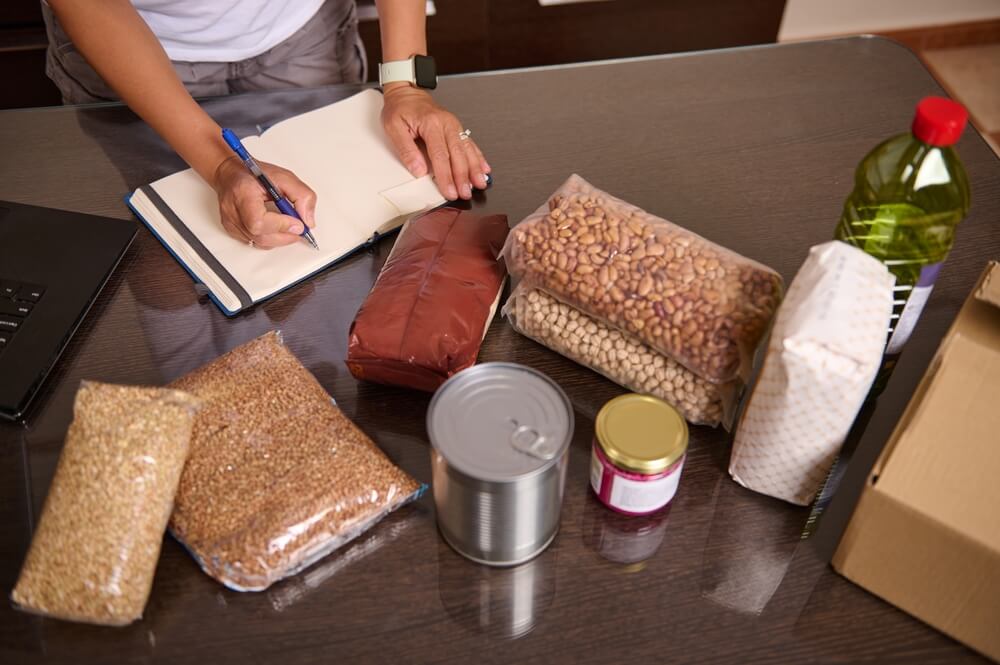
Week three is where the pantry matters.
This is when rice, beans, pasta, oats, canned vegetables, canned tuna, soup, peanut butter, and frozen foods earn their place.
Easy meals:
- Bean and rice bowls
- Pasta with canned tomatoes
- Tuna sandwiches
- Oatmeal with peanut butter
- Soup with rice added
- Egg fried rice
- Baked potatoes with whatever toppings you have
Not fancy. Fed.
Week Four: Use Food Help Without Waiting Too Long
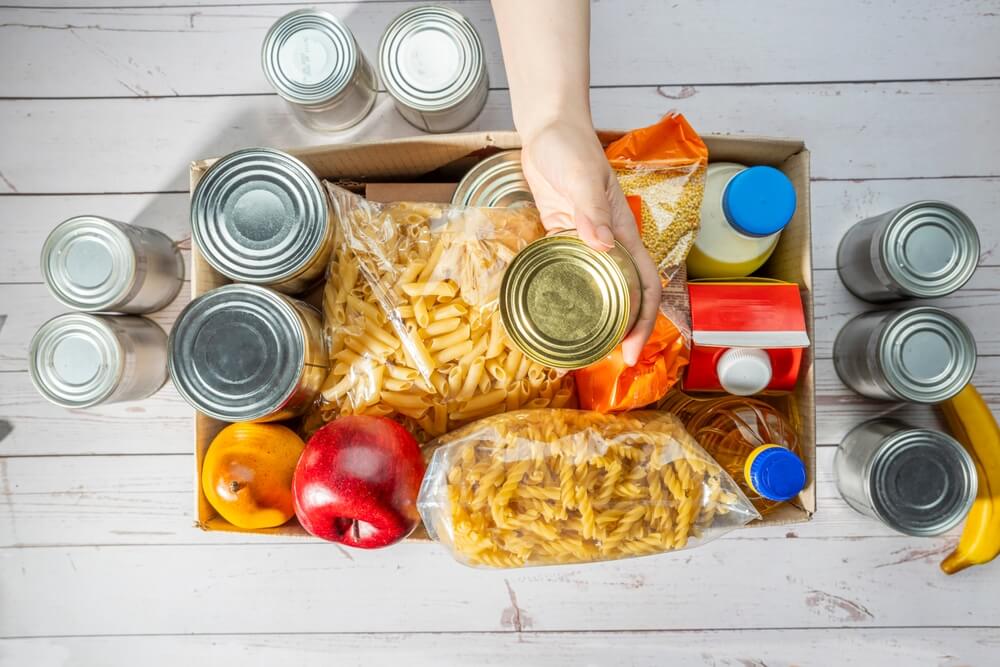
This is where a food pantry can save the month.
A pantry box may give you shelf-stable foods, bread, produce, or frozen items. Then your remaining SNAP can go toward the missing pieces: milk, eggs, meat, fruit, or whatever your household needs most.
Using a food pantry while you still have a little SNAP left is often smarter than waiting until everything is gone.
Keep A Tiny “Do Not Touch” Amount
If possible, save a small part of the balance for the last few days.
Even $15 or $20 can cover milk, eggs, bread, or fruit when the kitchen is looking thin.
This is not always possible. But when it is, future-you will be grateful.
Update SNAP If Life Changes
If income drops, rent rises, childcare costs change, medical expenses increase for an elderly or disabled household member, or someone moves in or out, report it to your SNAP office.
Your benefit may not change every time, but the office cannot consider changes it does not know about.
Bottom Line
Making SNAP last longer is not about being perfect.
It is about pacing the month: build in week one, refill in week two, lean on pantry meals in week three, and use food help before week four becomes an emergency.


Add comment