

 Mark Luigi Dacumos
Introduction: Discovering Hidden Gems in Government Assistance
Navigating through the sea of government assistance programs can often feel overwhelming, especially when the most well-known programs tend to overshadow some incredibly valuable yet lesser-known benefits. In this guide, we will uncover five of these hidden gems, which could significantly impact your financial well-being if you qualify for them. By the end, you’ll be better equipped to tap into resources that have previously flown under your radar.
The Importance of Exploring Lesser-Known Programs
It’s essential to look beyond the commonly discussed programs because they might not fully address your unique needs. Lesser-known programs can offer specialized support that can make a considerable difference in your day-to-day life. Overlooking these options can mean missing out on crucial financial aid that could help alleviate various burdens, from energy costs to food security.
Lesser-Known Benefit #1: The Lifeline Program
Connecting Low-Income Households to Essential Communications Services
The Lifeline Program is designed to help low-income households stay connected by providing discounts on phone and internet services. In today’s digital age, access to communication is vital for everything from job searching to emergency services.
Eligibility Requirements and How to Apply
To qualify for Lifeline, you generally need to be enrolled in certain federal assistance programs like Medicaid or SNAP or have an income at or below 135% of the federal poverty guidelines. You can apply through a participating phone or internet service provider or through the Lifeline National Verifier online.
Maximizing Your Lifeline Benefits: Tips for Staying Connected
To get the most out of your Lifeline benefits, ensure you’re using a service provider that offers a robust package under the program. Regularly check for updates or additional benefits that might be introduced, and don’t hesitate to reach out to your provider for more details on how to maximize your usage.
Lesser-Known Benefit #2: The Low-Income Home Energy Assistance Program (LIHEAP)

Keeping Your Home Warm: Understanding LIHEAP
LIHEAP helps low-income households cover the cost of heating and cooling their homes, which is crucial for maintaining a safe and comfortable living environment, especially during extreme weather conditions.
Steps to Apply for Energy Assistance
Applications for LIHEAP are typically handled at the state level, so you’ll need to contact your local LIHEAP office or visit their website to apply. You’ll need to provide proof of income, residency, and your current energy bills.
Additional Resources for Energy Efficiency and Savings
In addition to LIHEAP, look into programs like the Weatherization Assistance Program (WAP) and energy efficiency rebates from your local utility companies. These can help further reduce your energy costs by making your home more energy-efficient.
Lesser-Known Benefit #3: The National School Lunch Program (NSLP)
More Than Just Lunch: Benefits of the NSLP
The National School Lunch Program provides nutritious meals to millions of children at low or no cost. But it offers more than just food – it supports children’s health and learning capabilities, ensuring they have the energy and nutrients they need to succeed in school.
Eligibility and Application Process for Families
Eligibility is generally based on household income or participation in other assistance programs like SNAP. Applications are usually submitted through your child’s school, which will have specific forms and guidelines.
Extending the Benefits: Summer Food Service and After-School Programs
Many communities also offer the Summer Food Service Program and after-school meal programs, which extend the benefits of NSLP to ensure children continue receiving nutritious meals even when school is not in session.
Lesser-Known Benefit #4: The Senior Farmers’ Market Nutrition Program (SFMNP)
Fresh Food for Seniors: What is SFMNP?
The Senior Farmers’ Market Nutrition Program provides low-income seniors with vouchers that can be used to purchase fresh fruits, vegetables, honey, and herbs from farmers’ markets and roadside stands.
How to Access and Use Farmers’ Market Vouchers
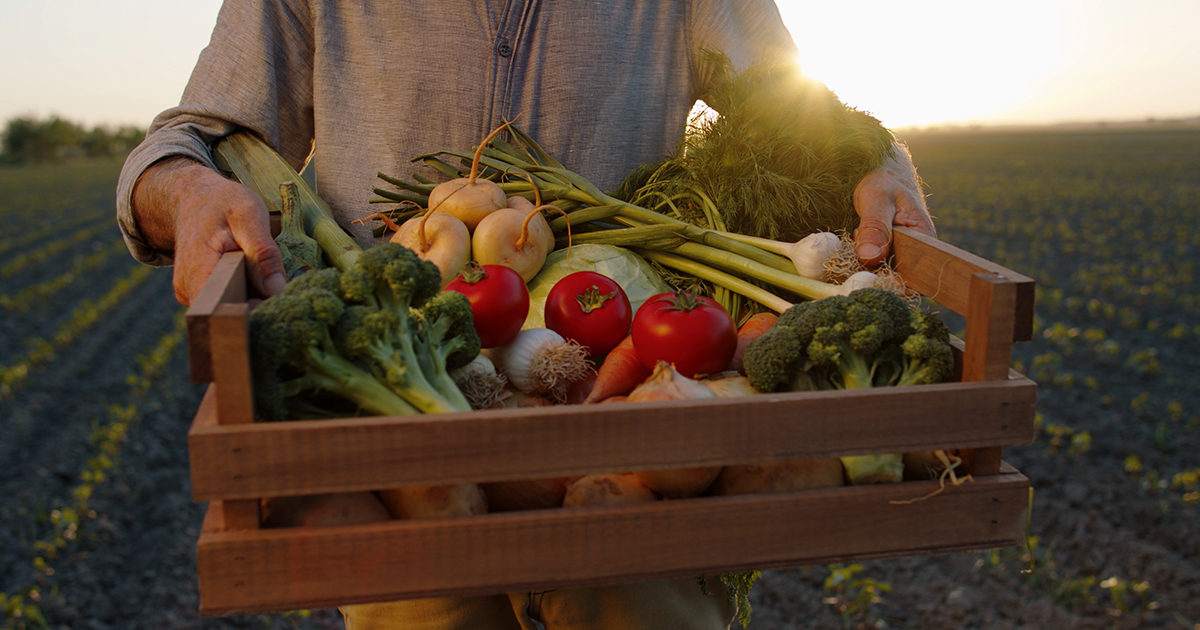
To participate, seniors must meet age and income requirements. Vouchers are usually distributed through local agencies on aging, and they can be used at participating farmers’ markets and stands.
Community Impact: Supporting Local Agriculture and Senior Health
This program not only helps seniors access healthy foods but also supports local agriculture. By purchasing directly from farmers, seniors contribute to the local economy and community sustainability.
Lesser-Known Benefit #5: The Weatherization Assistance Program (WAP)
Enhancing Home Efficiency: An Overview of WAP
The Weatherization Assistance Program aims to improve the energy efficiency of homes for low-income families, reducing energy costs and enhancing comfort.
Applying for Weatherization Assistance
Applications are managed at the state and local levels, and you’ll need to provide income documentation and details about your home. Approved contractors will then assess and perform necessary upgrades, such as insulation or heating system improvements.
Long-Term Benefits: Reducing Energy Costs and Improving Comfort
Weatherizing your home not only cuts down on energy bills but also increases your home’s overall comfort and safety, providing long-term benefits for your household.
Additional Programs Worth Exploring
Highlighting Other Overlooked Programs: Child Care Assistance, TANF, and More
Several other programs might be worth your attention. For instance, Child Care Assistance programs can help cover the cost of child care for low-income families, and the Temporary Assistance for Needy Families (TANF) provides financial assistance and support services to families in need.
How to Stay Informed About New and Existing Benefits Programs
Staying informed about these programs can be as simple as regularly checking official government websites or signing up for newsletters from relevant agencies. Local community organizations and social service offices can also be valuable resources for information and assistance.
Conclusion: Empowering Yourself with Knowledge
Taking Action: Steps to Apply and Get the Most Out of These Programs
Empower yourself by taking the initiative to explore and apply for these lesser-known benefits. Start by visiting official websites, gathering the necessary documentation, and reaching out to local agencies for assistance.
Encouraging Others: Sharing Information and Resources
Don’t keep this valuable information to yourself. Share what you’ve learned with friends, family, and community members who might also benefit from these programs. You can make a significant difference by spreading the word.
Looking Ahead: Staying Updated on Benefits Programs and Opportunities
Keep an eye out for new and updated benefits programs. Subscribe to newsletters, join community groups, and stay connected with local social service agencies to ensure you’re always in the loop about opportunities that can help you and your loved ones.
By exploring these lesser-known benefits programs, you can uncover resources that provide essential support and improve your quality of life. Don’t miss out on these opportunities – take the first step today!


Add comment