
 Mark Luigi Dacumos
The Importance of Staying Informed: Why Emergency Alerts Matter
Emergencies can strike without warning, affecting your life in ways you might not even imagine. From natural disasters to sudden economic changes, being caught off guard can lead to significant financial stress. Emergency alerts are designed to keep you informed about potential dangers and provide you with the necessary information to take action. Staying informed isn’t just about safety; it can also be a crucial factor in protecting your financial well-being. By understanding and utilizing emergency alerts, you can prepare for the unexpected and mitigate the impact on your finances.
How Emergency Alerts Work: Your Lifeline in Crisis
Emergency alerts come through various channels, including text messages, emails, and apps. These alerts are issued by government agencies, weather services, and financial institutions to warn you about immediate threats or changes that could affect your financial status. For instance, weather alerts can inform you about impending storms, allowing you to safeguard your property and assets. Financial alerts can notify you of market crashes or economic shifts, allowing you to make timely decisions. Understanding how these alerts work and subscribing to reliable sources ensures you receive critical information when you need it most.
Financial Emergency Alerts: Protecting Your Wallet
Financial emergency alerts play a vital role in protecting your wallet. These alerts can come from your bank, credit card companies, or investment firms, notifying you of suspicious activities, market fluctuations, or important deadlines. For example, a sudden drop in the stock market can trigger an alert, giving you a chance to adjust your investments. Similarly, alerts about fraudulent transactions can help you act quickly to prevent further financial loss. By staying on top of these alerts, you can make informed decisions and safeguard your financial interests.
Natural Disasters and Financial Preparedness: Staying Ahead of the Storm

Natural disasters like hurricanes, floods, and wildfires can have devastating effects on your finances. Emergency alerts related to these events provide critical information that can help you prepare and minimize damage. Alerts about evacuation orders, weather updates, and resource availability enable you to take timely actions, such as securing your home, relocating valuable assets, and ensuring your insurance coverage is up to date. By paying attention to these alerts, you can reduce the financial impact of natural disasters and ensure a quicker recovery.
Government Programs and Resources: Your Financial Safety Net
Several government programs and resources are available to help you during emergencies. Programs like the Federal Emergency Management Agency (FEMA) provide financial assistance and resources to individuals affected by disasters. FEMA’s Disaster Assistance Improvement Program (DAIP) offers grants, loans, and other forms of aid to help cover the costs of repairs, temporary housing, and other emergency needs. Additionally, the Small Business Administration (SBA) provides low-interest disaster loans to businesses, homeowners, and renters. By being aware of these programs and understanding how to access them, you can tap into valuable resources that can aid in your financial recovery.
For more information on these programs, visit the FEMA website and the SBA Disaster Assistance page.
The Role of Technology: Staying Connected and Informed
Technology plays a crucial role in keeping you informed during emergencies. Smartphones, smart home devices, and wearable tech can all receive emergency alerts, ensuring you stay connected no matter where you are. There are numerous apps available that specialize in emergency notifications, such as the FEMA app, Red Cross Emergency app, and local weather apps. These tools can provide real-time updates and detailed information about threats to your financial well-being. Utilizing technology to stay informed can significantly enhance your ability to respond effectively to emergencies.
Creating a Personal Emergency Plan: Be Ready for Anything
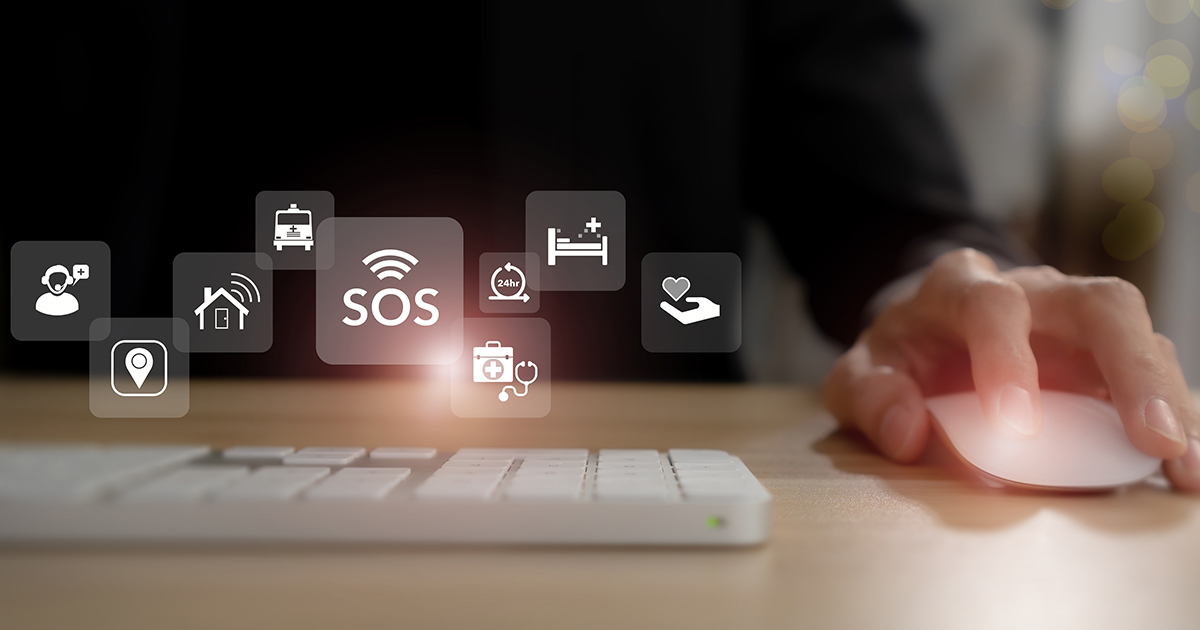
Having a personal emergency plan is essential for protecting your financial well-being. Start by identifying the types of emergencies most likely to affect you and your finances. Make a list of all your financial accounts, including bank accounts, credit cards, investments, and insurance policies. Ensure you have digital and physical copies of important documents, such as identification, property deeds, and financial statements. Set up alerts with your financial institutions to stay informed about any unusual activity or important deadlines. Regularly review and update your emergency plan to adapt to any changes in your financial situation or potential risks.
Community Support and Resources: Lean on Your Neighbors
In times of emergency, community support can be invaluable. Local organizations, community centers, and neighbors can provide assistance and resources that help you manage the financial impact of a crisis. Many communities have emergency response teams and volunteer organizations ready to offer help during disasters. Establish connections with your community and know where to turn for support. Participating in community emergency preparedness programs can also enhance your ability to respond to emergencies and protect your finances.
The Long-Term Benefits of Staying Informed
Staying informed through emergency alerts not only helps you respond to immediate threats but also has long-term benefits for your financial well-being. By being proactive and prepared, you can reduce the likelihood of significant financial setbacks. Regularly monitoring alerts and staying informed about potential risks helps you make better financial decisions, from securing adequate insurance coverage to adjusting your investment strategies. The peace of mind that comes with being prepared allows you to focus on long-term financial goals without the constant worry of unexpected emergencies.
Useful Resources and Links
For more information on emergency alerts and financial assistance programs, visit the following websites:
- FEMA
- FEMA Disaster Assistance Improvement Program
- Small Business Administration Disaster Assistance
- American Red Cross Emergency App
- Ready.gov
These resources provide valuable information and tools to help you stay informed and protect your financial well-being during emergencies. By leveraging these programs and staying connected through emergency alerts, you can be better prepared to face whatever challenges come your way.


Add comment