

 Mark Luigi Dacumos
In today’s fast-paced world, managing personal finances can be a daunting task. Many families find themselves struggling to make ends meet, burdened by debt, and unsure of how to plan for a stable financial future. Fortunately, financial education and counseling programs are becoming increasingly accessible, providing essential tools and resources to help individuals and families navigate their financial challenges. These programs offer practical budgeting tips, effective debt management strategies, and comprehensive financial planning advice to promote long-term stability and financial well-being.
Understanding Financial Education and Counseling
Financial education involves teaching individuals about various aspects of personal finance, including budgeting, saving, investing, and managing credit. Counseling, on the other hand, provides personalized guidance to help individuals address specific financial issues they may be facing. Together, these services empower people to make informed decisions about their money, avoid common pitfalls, and build a solid foundation for their financial future.
The Need for Financial Education
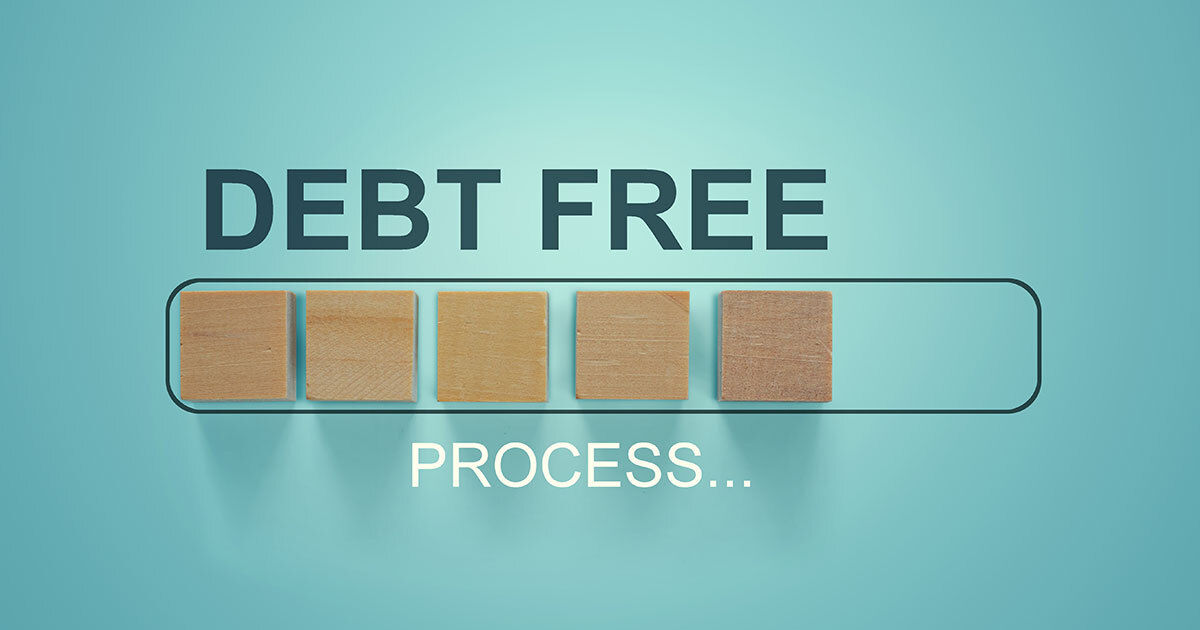
Financial literacy is crucial for everyone, regardless of their income level or financial background. Understanding how to manage money effectively can prevent many common financial problems and promote a more secure future. Here’s why financial education is so important:
- Preventing Debt Accumulation: Many people fall into debt because they lack the knowledge to manage their finances properly. Financial education teaches individuals how to budget effectively, avoid unnecessary debt, and use credit responsibly.
- Building Savings: Having a savings plan is essential for financial security. Education programs help individuals understand the importance of saving and how to create and stick to a savings plan.
- Making Informed Decisions: Financial education provides the knowledge needed to make informed decisions about significant financial commitments, such as buying a home, investing, or planning for retirement.
- Avoiding Scams: With the rise of financial scams and fraud, education is key to protecting oneself. Understanding how to identify and avoid scams can save individuals from significant financial loss.
Key Components of Financial Education
Financial education programs cover a wide range of topics, each designed to address different aspects of personal finance. Here are some of the key components:
- Budgeting: Learning how to create and maintain a budget is fundamental to managing finances. Budgeting involves tracking income and expenses, identifying areas where money can be saved, and planning for future financial goals.
- Debt Management: Effective debt management strategies can help individuals reduce their debt burden and avoid falling into debt in the future. This includes understanding how to prioritize debt repayment, negotiate with creditors, and explore options like debt consolidation.
- Savings and Investments: Financial education teaches the importance of saving for emergencies, retirement, and other long-term goals. It also covers the basics of investing, helping individuals grow their wealth over time.
- Credit Management: Understanding how credit works and how to manage it responsibly is crucial for financial health. Education programs cover topics like credit scores, credit reports, and responsible use of credit cards and loans.
- Financial Planning: Comprehensive financial planning involves setting short-term and long-term financial goals and developing a plan to achieve them. This includes retirement planning, estate planning, and insurance.
The Role of Financial Counseling
While financial education provides general knowledge, financial counseling offers personalized advice tailored to an individual’s specific financial situation. Here’s how financial counseling can make a difference:
- Personalized Guidance: Counselors work one-on-one with individuals to assess their financial situation and develop a customized plan to address their needs. This personalized approach ensures that the advice is relevant and practical.
- Debt Resolution: Financial counselors can help individuals develop strategies to pay off debt, negotiate with creditors, and explore options like debt management plans or bankruptcy if necessary.
- Crisis Management: During financial crises, such as job loss or medical emergencies, counselors can provide immediate support and guidance to help individuals navigate their options and make informed decisions.
- Goal Setting: Counselors assist individuals in setting realistic financial goals and creating a step-by-step plan to achieve them. This helps individuals stay focused and motivated on their path to financial stability.
- Emotional Support: Financial stress can take a toll on mental health. Financial counselors offer not only practical advice but also emotional support, helping individuals feel more confident and less overwhelmed by their financial challenges.
Real-Life Impact: Stories of Transformation
Financial education and counseling programs have made a significant difference in the lives of many individuals and families. Here are a couple of stories that illustrate the transformative power of these programs:
Sarah’s Success Story
Sarah, a single mother, found herself overwhelmed by debt after a series of unexpected expenses. With limited financial knowledge, she struggled to make ends meet and felt hopeless about her future. Seeking help, Sarah enrolled in a financial education program and worked with a financial counselor. Through the program, she learned how to budget effectively, manage her debt, and save for emergencies. With her counselor’s guidance, Sarah negotiated with her creditors and created a realistic debt repayment plan. Today, Sarah is debt-free, has a growing savings account, and feels empowered to provide a stable future for her children.
Mark and Lisa’s Journey
Mark and Lisa, a young couple, were excited about buying their first home but felt overwhelmed by the financial aspects of the process. They decided to seek financial counseling to ensure they were making the right decisions. Their counselor helped them understand the costs involved in homeownership, create a budget, and explore mortgage options. The counselor also provided advice on saving for a down payment and maintaining a good credit score. Thanks to the support and guidance they received, Mark and Lisa purchased their dream home with confidence and continue to manage their finances responsibly.
How to Access Financial Education and Counseling
If you or someone you know could benefit from financial education and counseling, there are several ways to access these services:
- Local Nonprofits and Community Organizations: Many nonprofits offer free or low-cost financial education and counseling services. Organizations like the National Foundation for Credit Counseling (NFCC) and local community centers are excellent resources.
- Online Resources: Numerous websites and online platforms provide educational materials, tools, and resources to help individuals learn about personal finance. Websites like USAGov offer comprehensive information on managing finances.
- Employer Programs: Some employers offer financial wellness programs as part of their employee benefits. These programs often include workshops, webinars, and access to financial counselors
- Government Agencies: Federal, state, and local government agencies provide various programs and resources for financial education and counseling. Visit USA.gov for more information.
Conclusion

Financial education and counseling are powerful tools that can help individuals and families achieve long-term financial stability. By providing practical knowledge, personalized guidance, and emotional support, these programs empower people to take control of their finances, avoid common pitfalls, and build a secure future. At Financial Assistance For You, we are committed to supporting your financial journey, offering the resources and assistance you need to navigate challenges and achieve your goals. If you’re ready to take the first step towards financial
well-being, explore the available financial education and counseling services today and start building a brighter future.


Add comment