

 Mark Luigi Dacumos
Caregiving does not always announce itself.
At first, it is just helping with a ride. Then it is managing medication. Then appointments. Then meals. Then watching for falls, pain flares, panic symptoms, confusion, or exhaustion.
One day, someone realizes they are not just helping out. They are caregiving.
VA caregiver support may help families who are doing that daily work.
Caregiving Can Look Different In Every Home
A caregiver may be a spouse, adult child, parent, sibling, relative, or trusted support person.
The help may include:
- Transportation to appointments
- Medication reminders
- Meal preparation
- Bathing or dressing help
- Mobility support
- Safety supervision
- Managing symptoms
- Coordinating care
- Emotional support
- Help during bad days
Not every Veteran needs full-time care. But even part-time support can be a real responsibility.
Two VA Caregiver Programs To Know
VA’s Caregiver Support Program includes the Program of General Caregiver Support Services, or PGCSS, and the Program of Comprehensive Assistance for Family Caregivers, or PCAFC.
PGCSS is available at every VA medical center and supports caregivers of Veterans. PCAFC has more specific eligibility rules and may provide additional services for approved family caregivers.
What Support May Include
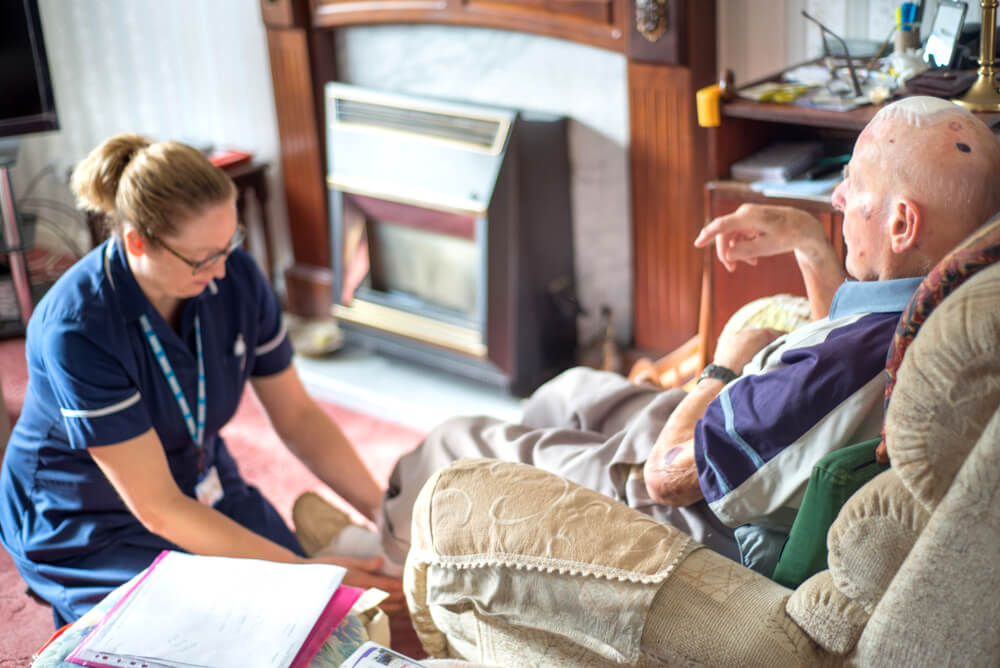
Depending on eligibility and local availability, caregiver support may include:
- Skills training
- Coaching
- Peer support
- Education
- Respite care
- Mental health support
- Help navigating VA services
- A stipend for eligible PCAFC primary caregivers
- Certain health care benefits for eligible caregivers
The exact support depends on the program and situation.
Why Caregivers Should Not Wait Until Burnout

A lot of caregivers wait too long.
They keep saying, “It is fine.” Then they stop sleeping. They miss work. They cancel their own appointments. They become the backup plan for everything.
Support is not a reward for falling apart. It is meant to help care stay sustainable.
If the Veteran needs regular help and the caregiver is carrying daily responsibility, it is worth asking what VA support is available.
How To Start The Conversation
Ask the Veteran’s VA health care team about caregiver support.
You can say:
“I help with daily care and want to know whether VA caregiver support is available for our situation.”
Before calling, write down what the caregiver does in a normal week. Include appointments, daily tasks, safety concerns, hours of help, and what happens on bad days.
Details help.
Bottom Line
Caregiving is real work, even when it comes from love.
VA caregiver support programs may offer training, guidance, respite, and in some cases additional benefits for eligible caregivers. If someone is helping a Veteran stay safe and cared for every day, they deserve support too.



Add comment