

 Mark Luigi Dacumos
When money is short, everything starts yelling at the same time.
Rent wants attention. The electric bill wants attention. The gas tank is empty. The fridge is doing that sad little hum with nothing useful inside.
The trick is not to solve everything at once. The trick is matching the emergency to the right kind of help.
If rent is the emergency
Start with your landlord before the due date passes.
Say:
“I’m short this month, but I’m trying to handle it early. Would you consider a partial payment, short extension, or written payment plan while I look for rental assistance?”
Then check 211, your county human services office, local housing nonprofits, community action agencies, and churches with emergency assistance funds.
Rent help is often local. That means one city may have a program while the next city does not. Call more than one place.
If utilities are the emergency
Call the utility company first.
Ask for:
- Hardship plan
- Payment extension
- Shutoff protection
- Medical protection form
- Budget billing
- Low-income discount
- Agency referral
Then check LIHEAP through your state or local provider. If you have a shutoff notice, ask specifically about crisis assistance.
If food is the emergency
Do not borrow money for groceries until you check food help.
Call 211 and ask what food pantries are open today. Search local food banks. Ask schools, churches, community centers, and libraries if they know about food distributions.
If you may qualify for SNAP, apply. If there are kids in the home, check school meals, summer meals, and WIC if there are young children or pregnancy-related needs.
Food help can protect your cash for bills that cannot wait.
If transportation is the emergency
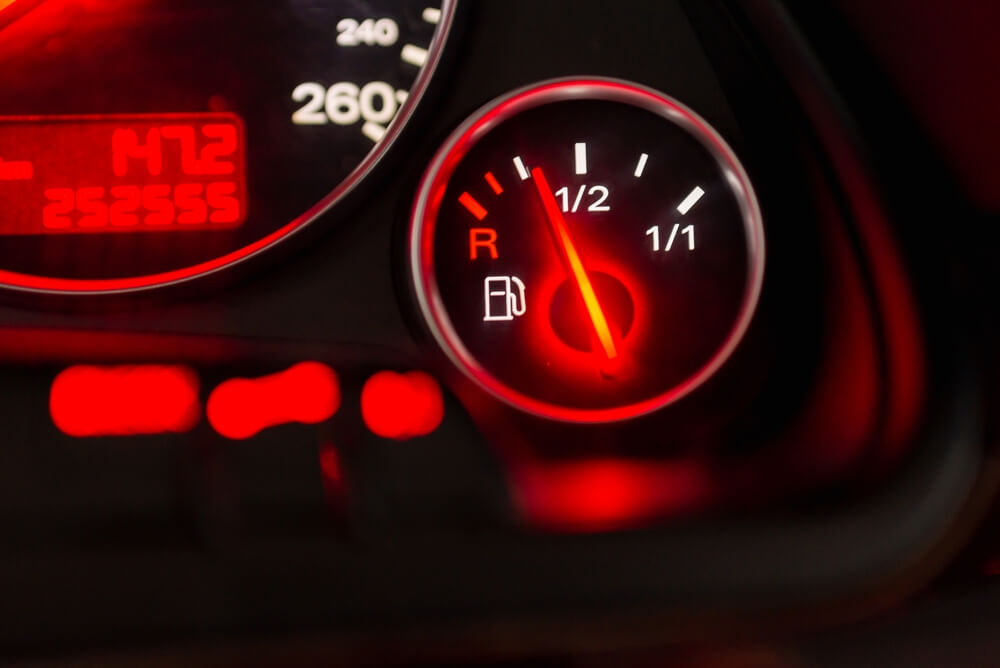
A car issue can turn into a job issue fast.
Ask the repair shop:
“What is the minimum repair needed to make the car safe to drive?”
Not every recommended repair has the same urgency.
Then check local workforce programs, community action agencies, churches, and nonprofits. Some programs help with car repairs, gas cards, bus passes, or transportation vouchers when work or medical care is involved.
If medical costs are the emergency

Call the billing office before paying with a high-interest loan.
Ask:
“Do you offer financial assistance, charity care, or an income-based payment plan?”
Hospitals and clinics may have options you will not see on the first bill.
Why this works
Most emergency programs are not designed around “I need cash.”
They are designed around needs: rent, lights, food, transportation, medical care.
So use their language. Name the bill. Name the deadline. Name the consequence.
The next best step
Open a note on your phone and make four columns: rent, utilities, food, transportation.
Under each one, write who you will call first.
A messy plan is still better than panic. Start with the loudest bill, then move down the list.



Add comment